La baguette · Craft, ritual, and daily life
France, read through its bread.
Follow a loaf from grain and fermentation to the neighborhood boulangerie. Four ingredients become a record of timing, trained hands, regional identity, and the rhythm of buying bread fresh each day.
A taste of France
Begin with the loaf, then follow the table
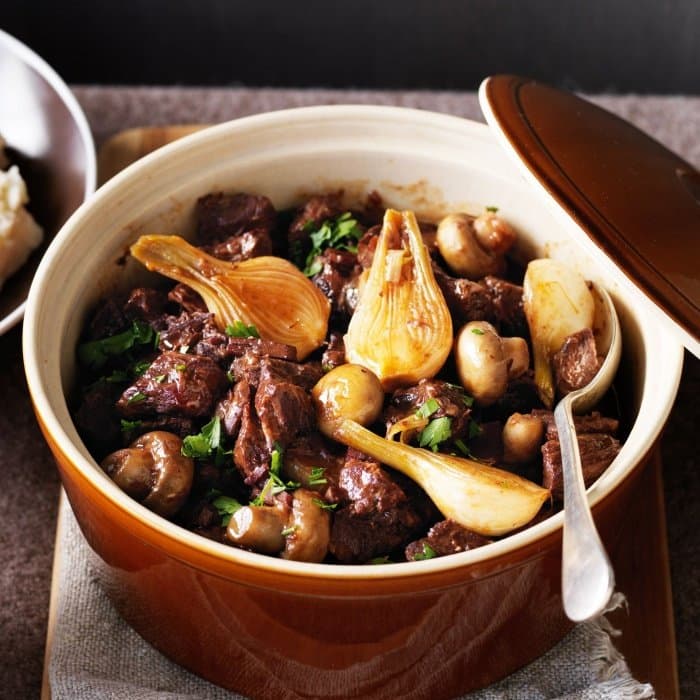
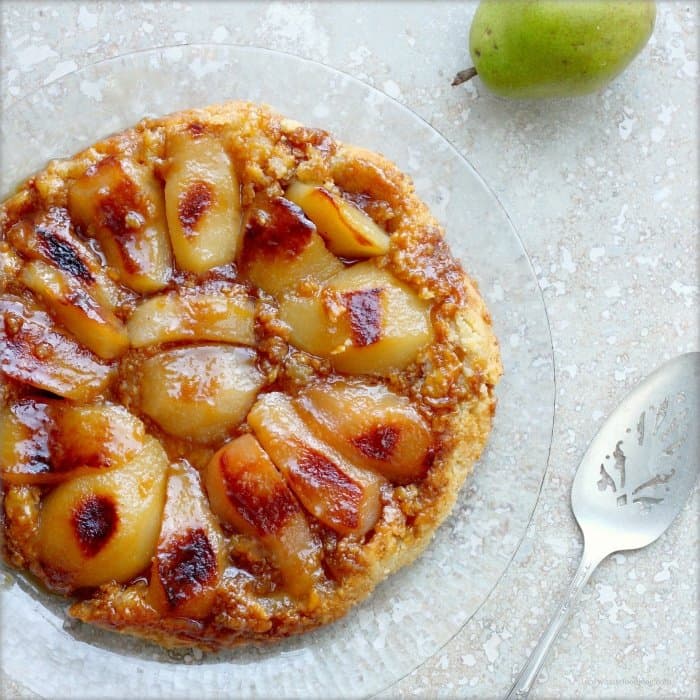
Bread opens routes into pastry, markets, slow cooking, and the small rituals of an ordinary meal.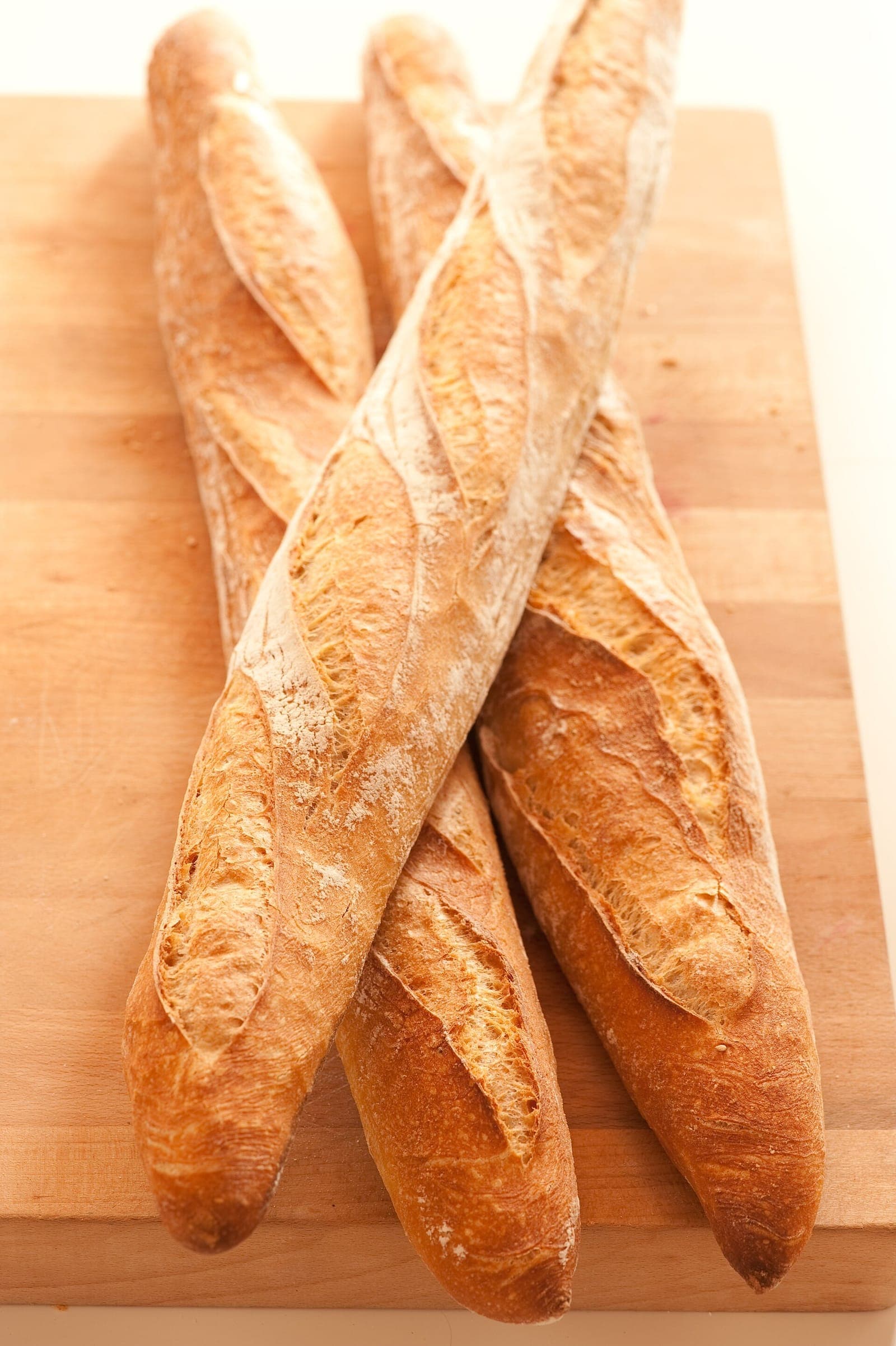
From grain to street
Bread belongs to a chain of people.
The grain farmer, miller, baker, shop assistant, and customer each shape the final loaf. A baguette may feel immediate, but its flour, fermentation, heat, and daily sale connect field knowledge to city routine.
How bread is made
Four ingredients, hundreds of decisions
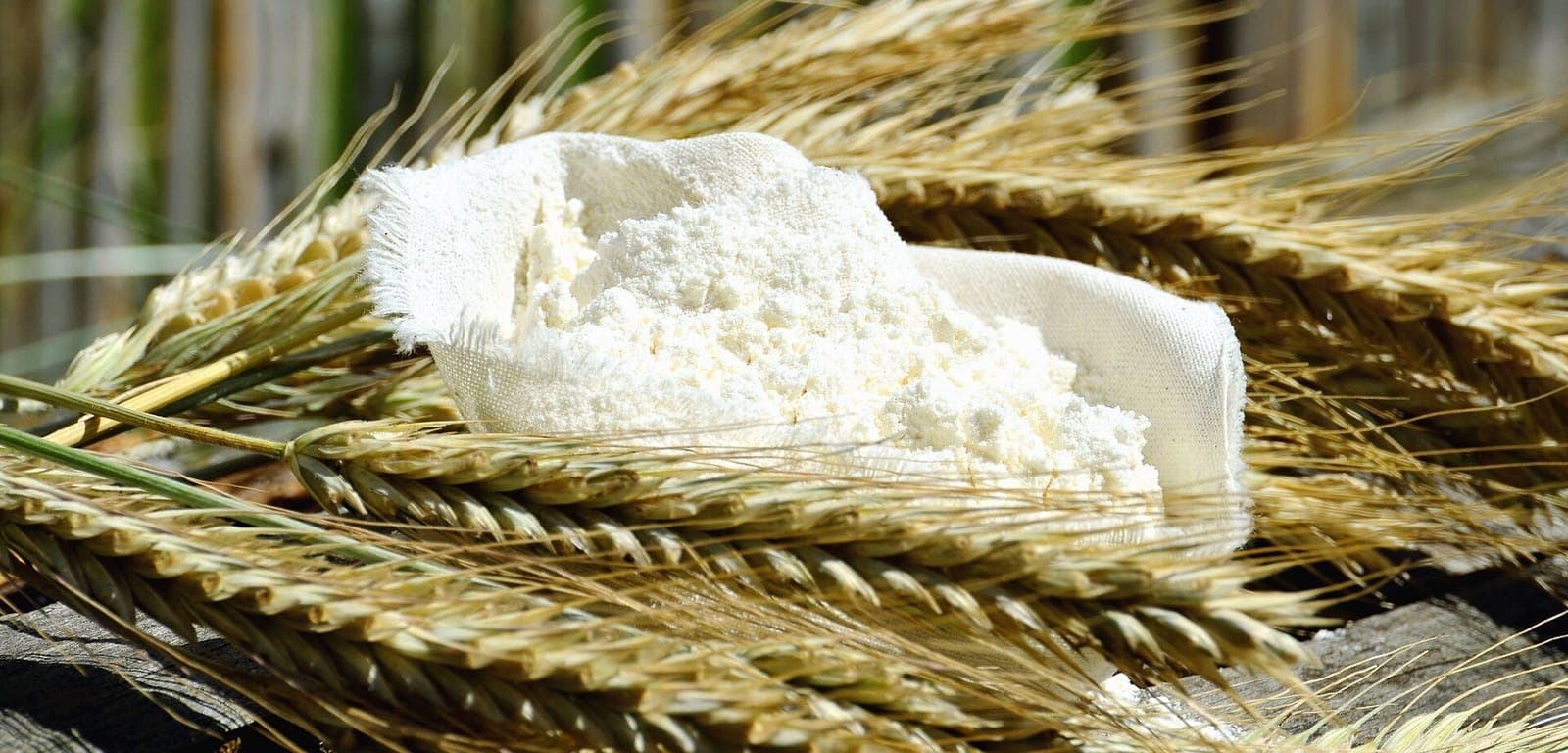 FlourThe cereal and milling determine strength, aroma, and color.
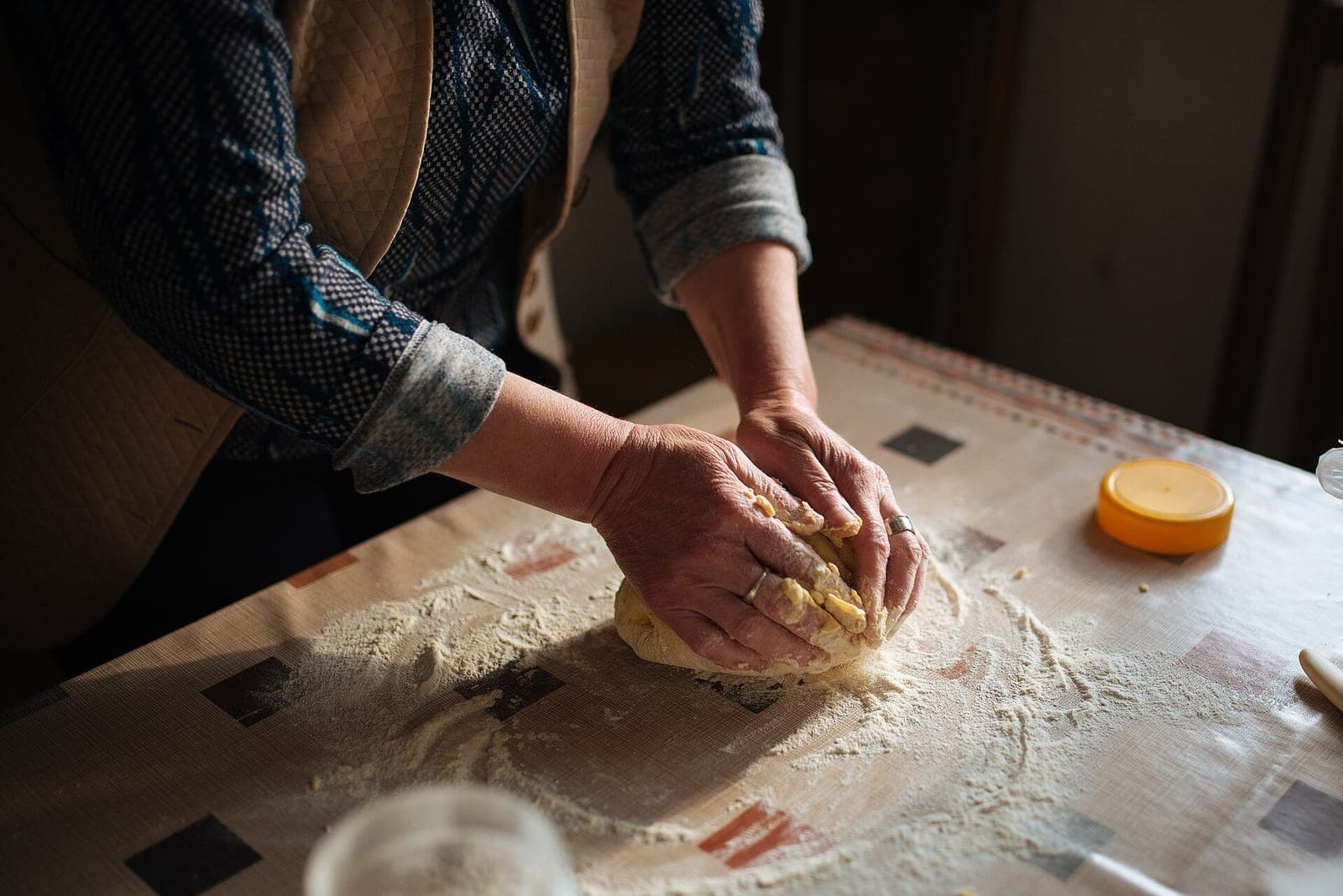 WaterHydration changes openness, handling, and the finished crumb.
 SaltSeasoning also controls fermentation and strengthens the dough.
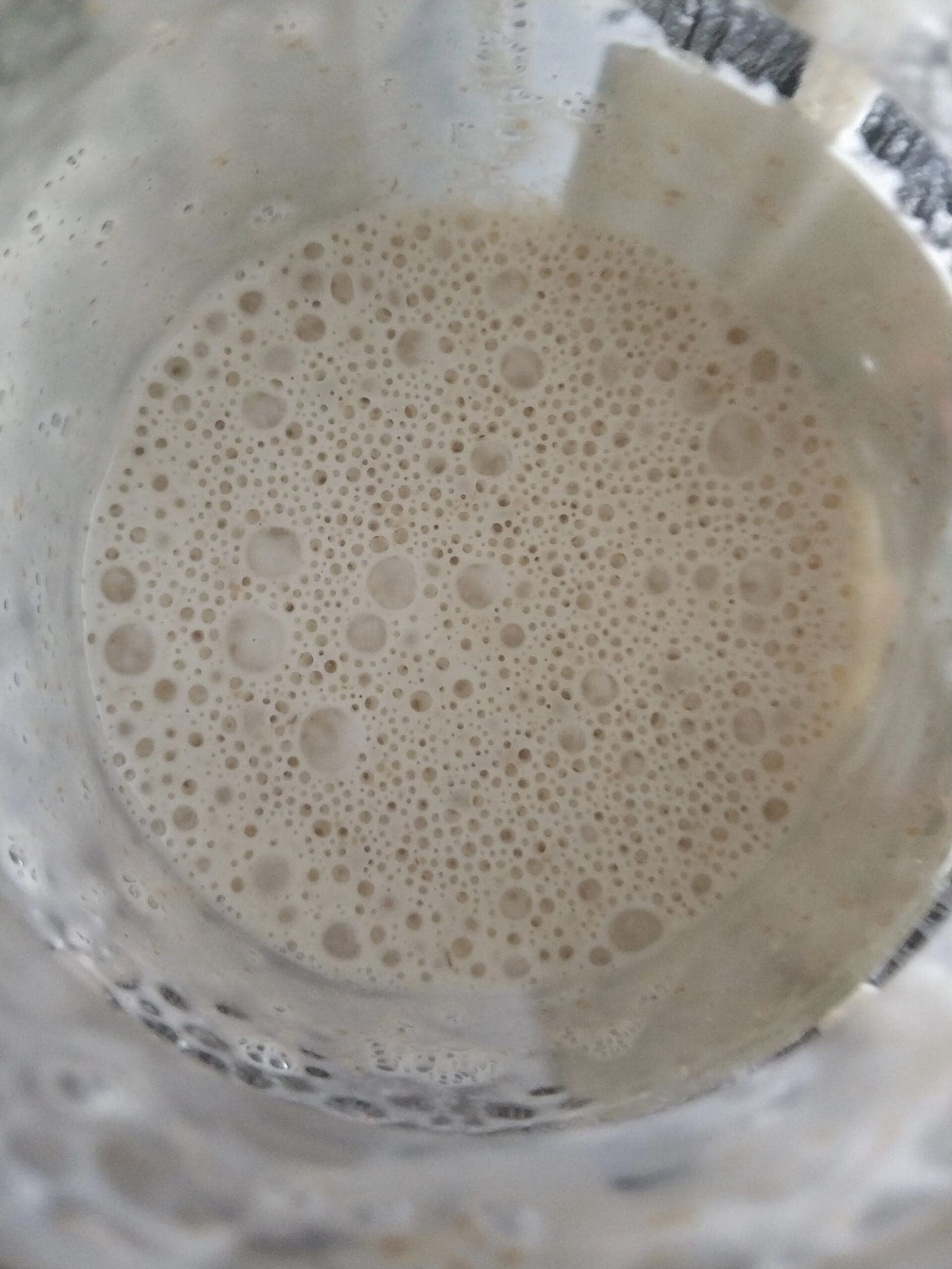 LeavenYeast or sourdough creates gas, aroma, and time.
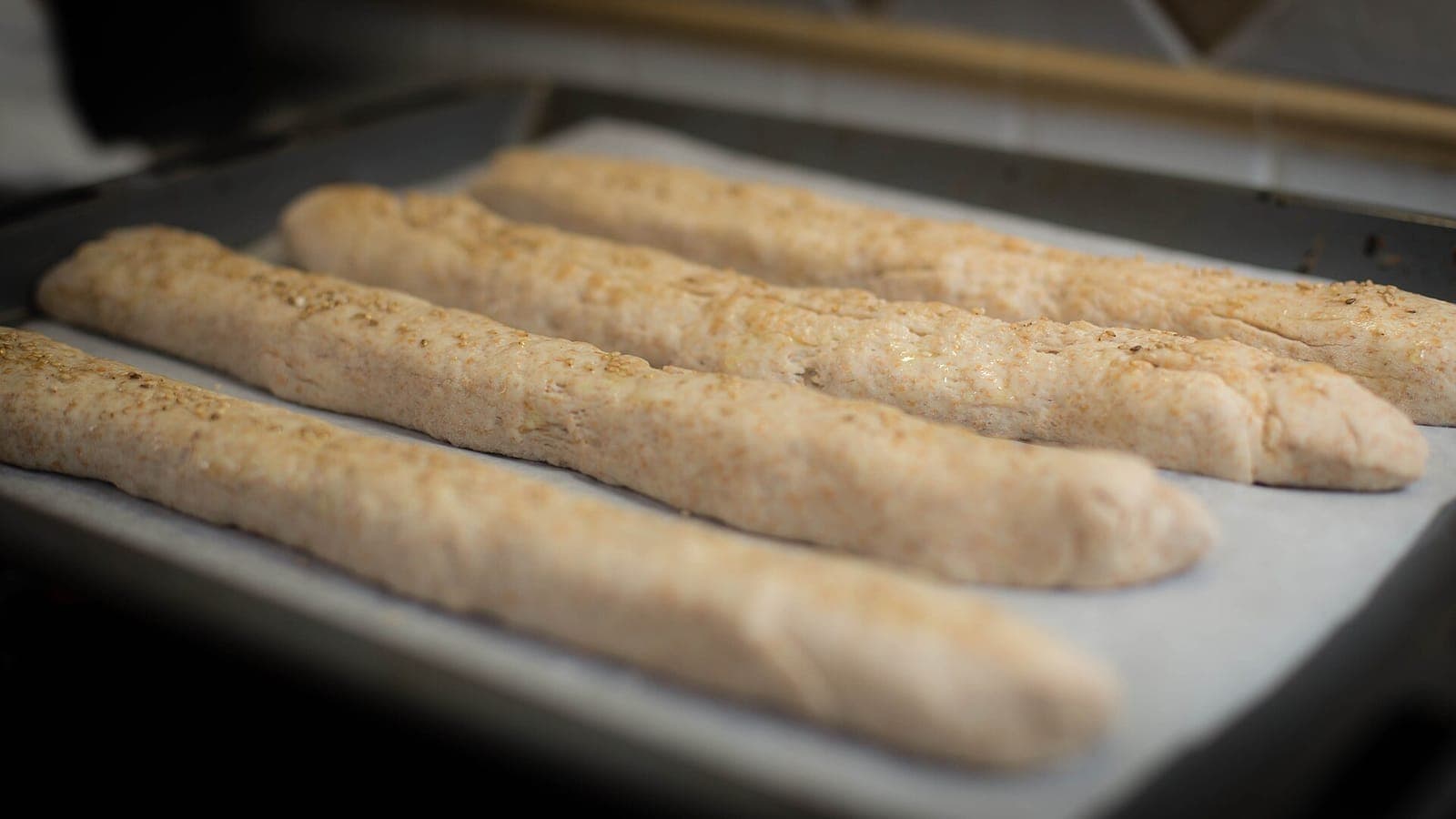 HeatSteam, scoring, and the oven form crust, sole, and slashes.
Meet the makers
Craft is stored in movement.
A baker reads elasticity, bubbles, temperature, resistance, and color. Training transfers knowledge through repetition: mixing, folding, shaping, scoring, loading, and learning when the loaf is ready without reducing judgment to a timer.

A taste for tradition
The best loaf is also read with the senses.
Look for a caramel-gold crust, uneven air pockets in the crumb, a well-baked sole, opened slashes, and a crisp heel. These are not decorative details; they reveal fermentation, shaping, and heat.
à la boulangerie“A fresh baguette has a short life. That is why the walk to the bakery becomes part of the food itself.”— Savora editorial synthesis, informed by the reference exhibition
Every loaf has a history
Bread changes as it crosses a region
Three routes through grain, local form, and the ways yesterday's bread continues at today's table.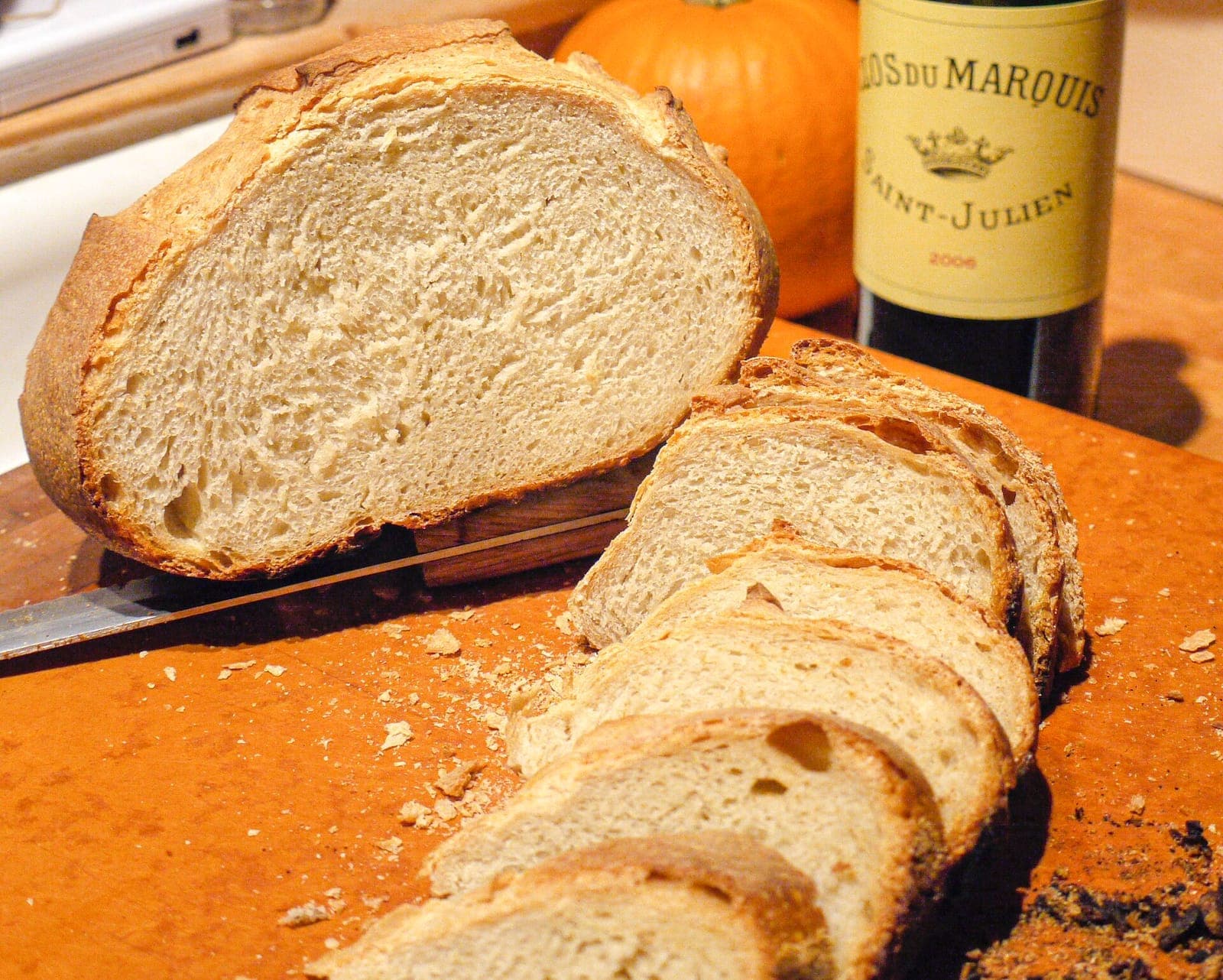
Regional breads
Rye, buckwheat, wheat, shape, and local ovens create a map larger than the baguette alone.Explore France →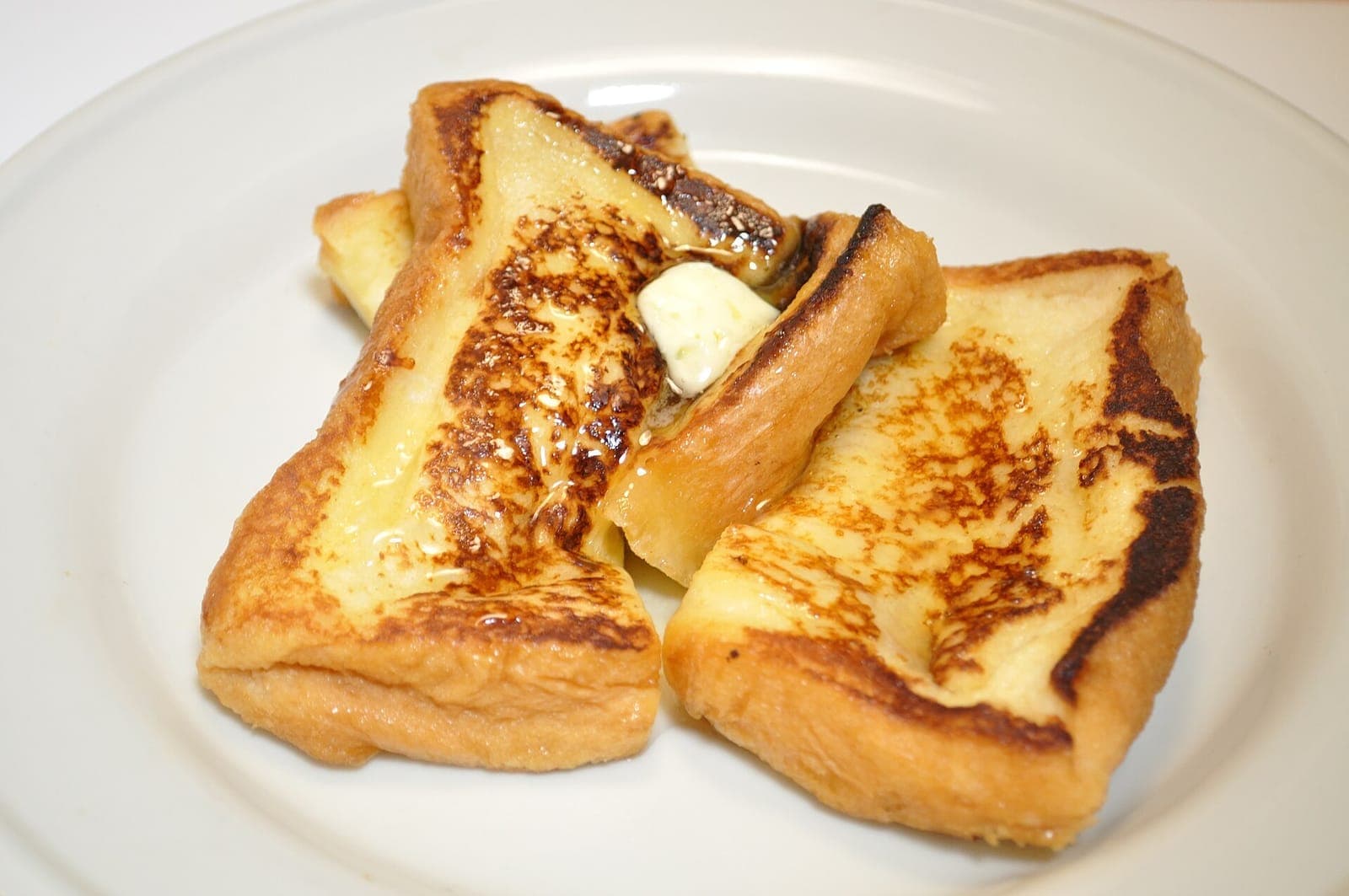
Nothing wasted
Stale bread returns as toast, crumbs, fillings, and custardy desserts.Explore France →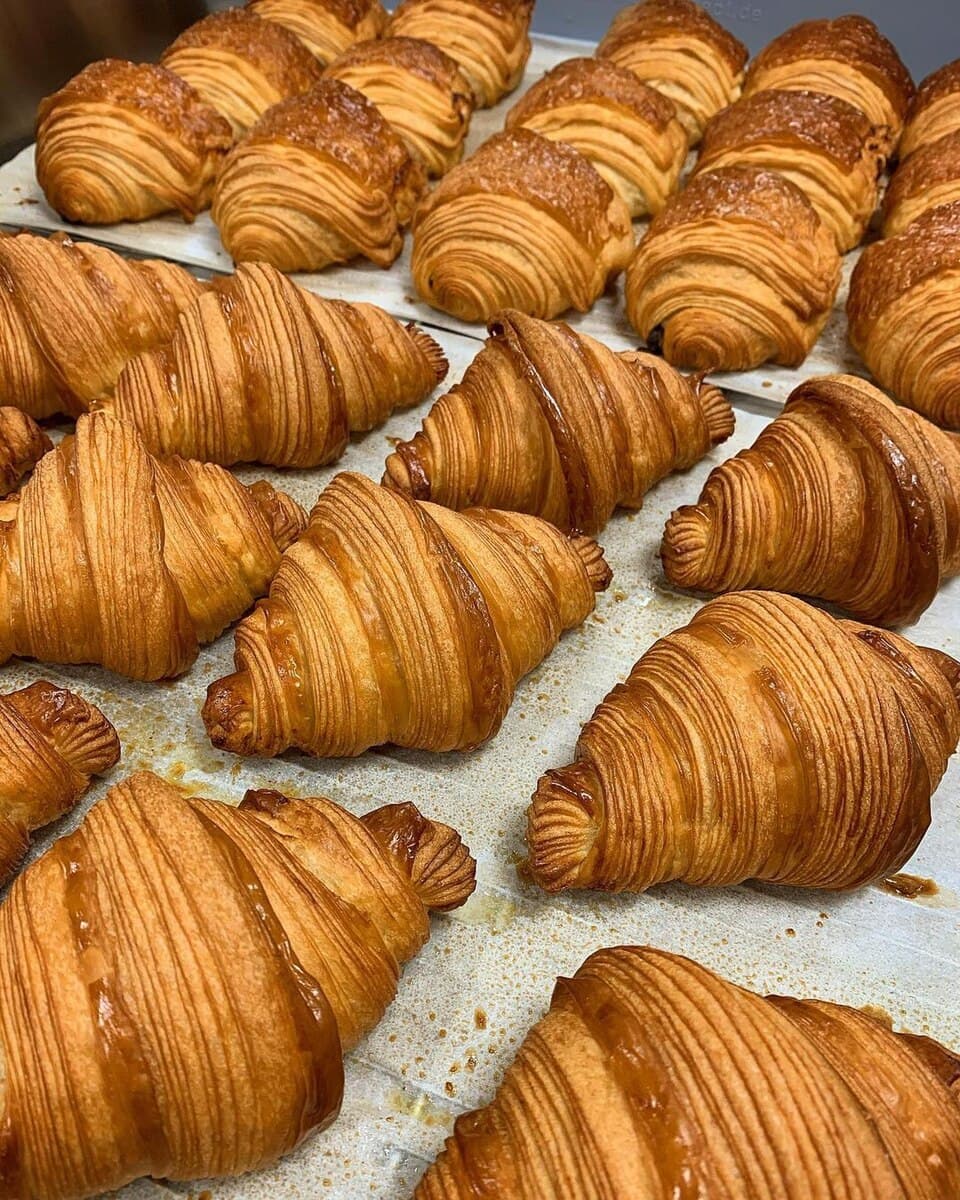
Beyond the loaf
Pastries and everyday dishes show the bakery's wider grammar of dough, butter, and time.Open Croissant →Culture behind the crust
Six details to follow
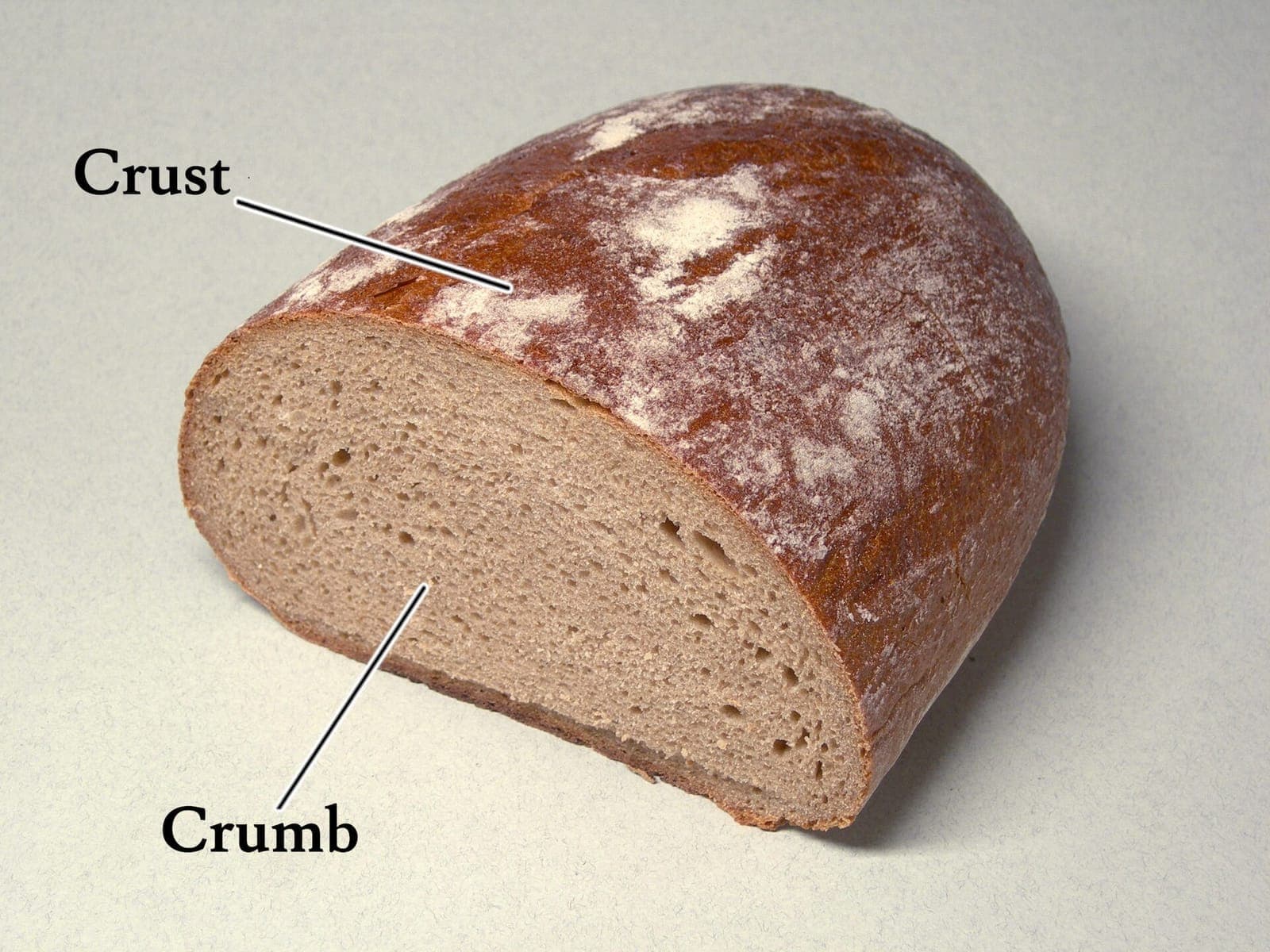 CrustCaramel color, crackle, and the first aroma of the loaf.Belbury · CC BY 4.0 ↗
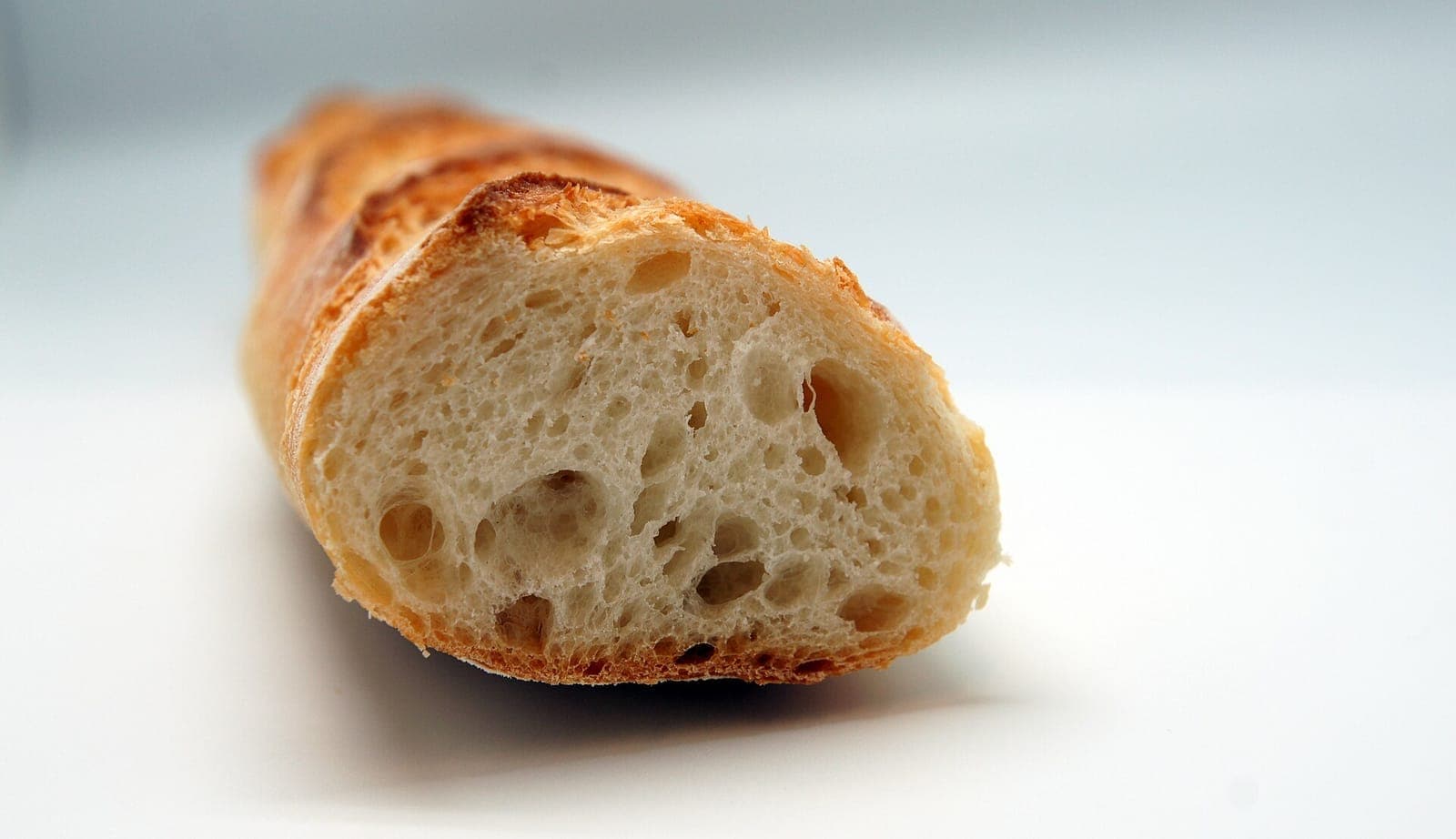 CrumbAir pockets reveal fermentation and the handling of wet dough.Popo le Chien · CC BY-SA 4.0 ↗
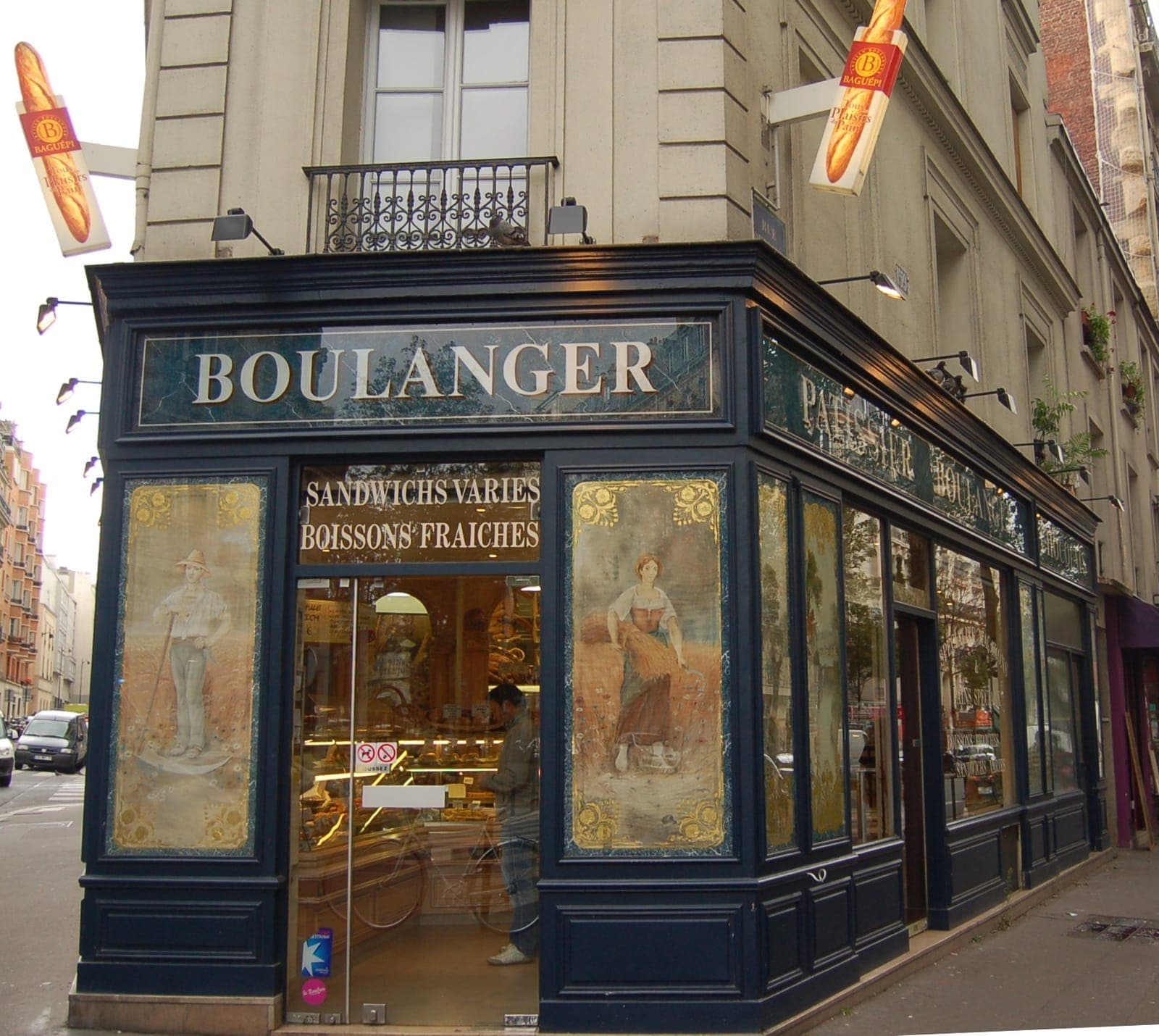
 Daily ritualFreshness makes the neighborhood visit part of the meal.ParisSharing · CC BY 2.0 ↗
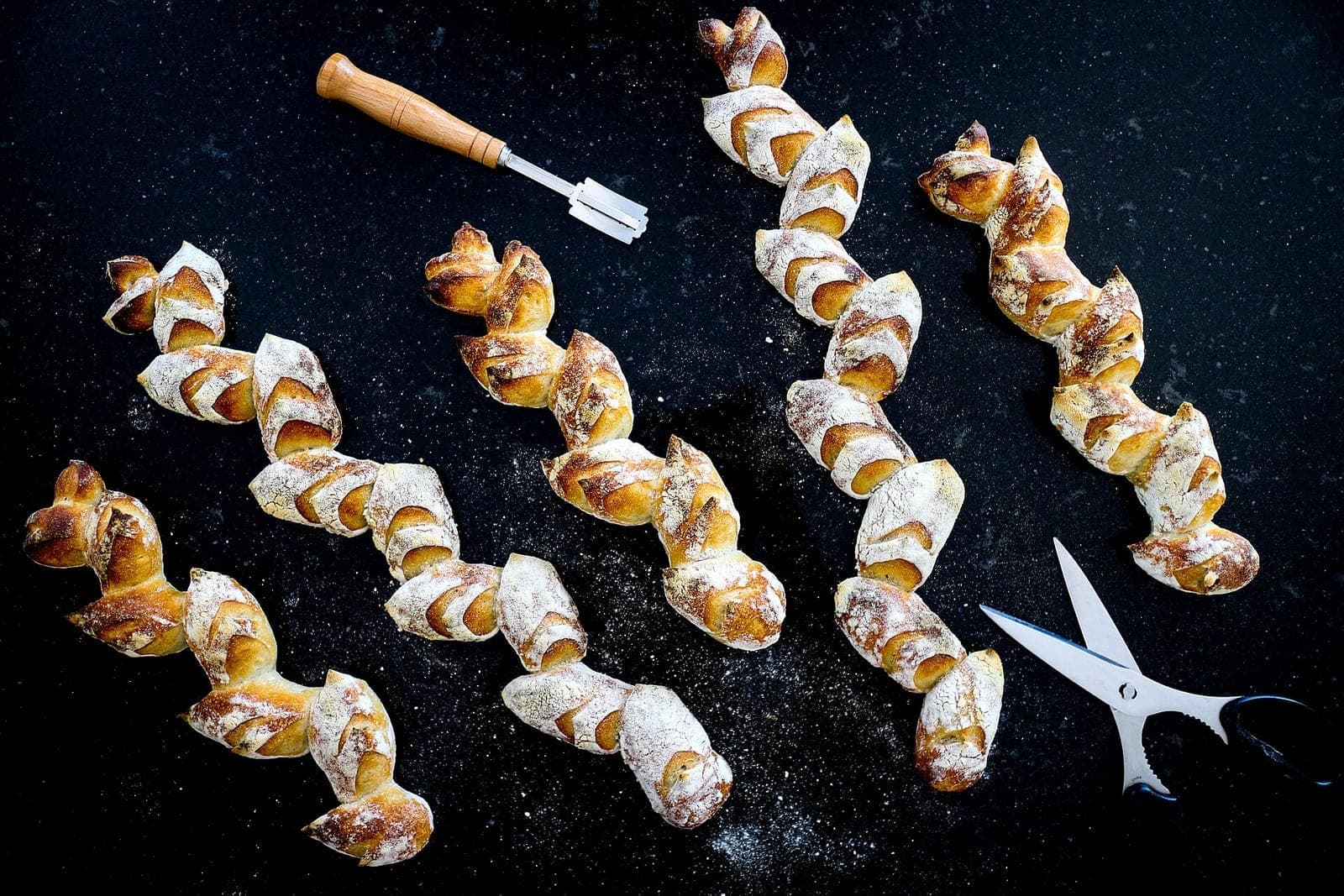 Regional formCrowns, twists, flatbreads, rye loaves, and festive breads.Nat · CC BY-SA 4.0 ↗
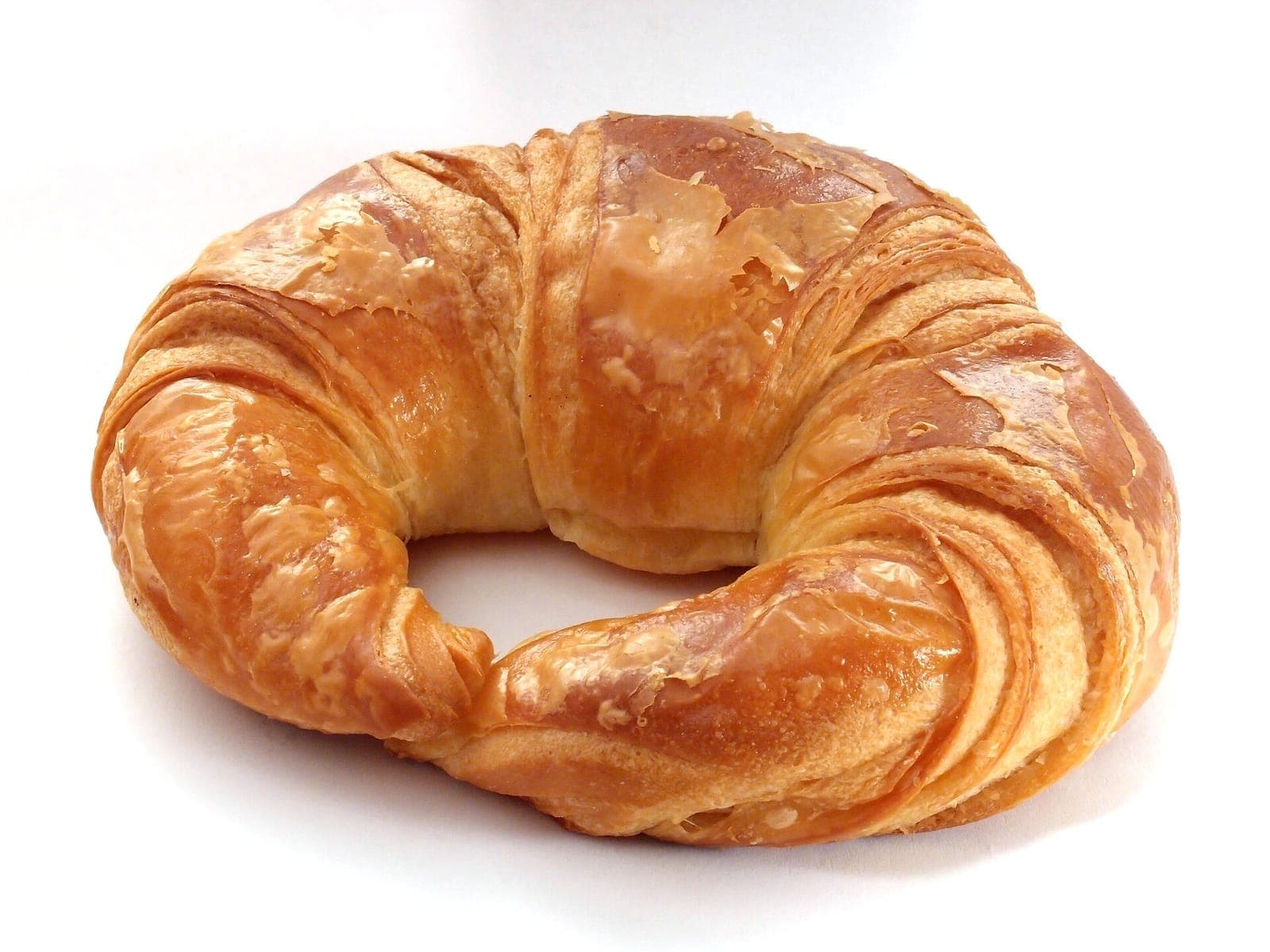 Butter & pastryLamination transforms patient folding into crisp layers.SKopp · CC BY-SA 3.0 ↗
The loaf reaches beyond the bakery.
Image sources
- Baguettes and loaves arranged in a French bakery. — Ella Olsson · CC BY 2.0 ↗
- The historic façade of a bakery on rue Ordener in Paris. — KoS · CC BY-SA 3.0 ↗
- Baguettes displayed in a shop in Paris. — Bex Walton · CC BY 2.0 ↗
- Three baguettes on a wooden board. — jules / stonesoup · CC BY 2.0 ↗
- Wheat flour heaped among ears of wheat. — congerdesign · CC0 ↗
- A baker’s hands kneading bread dough on a floured table. — Shixart1985 · CC BY 2.0 ↗
- Fleur de sel and coarse sea salt from Guérande, side by side. — Romain Bréget · CC BY-SA 3.0 ↗
- The bubbly surface of a week-old sourdough starter. — Guitarbogus · CC BY-SA 4.0 ↗