
Meshiagare · Makers, culture, taste, ingredients
Japan, from season to table.
Meet the growers, fishers, fermenters, market workers, craftspeople, and cooks behind familiar dishes. Everyday food becomes a guide to landscape, timing, preservation, and care.
A taste of Japan
Four courses through food culture
Begin with the people, then move through tradition, flavor, and the building blocks of the pantry.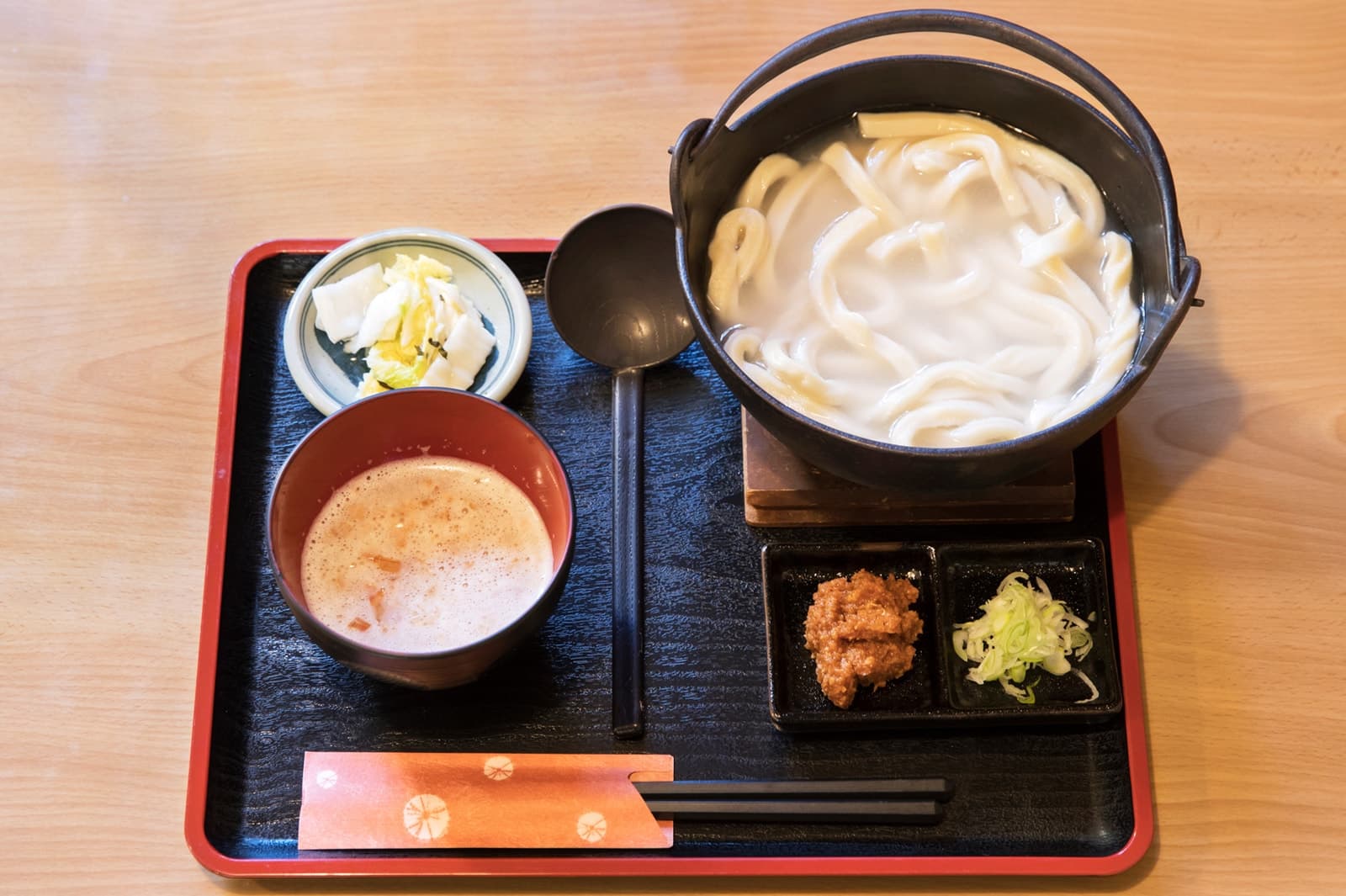 The makersSpecialized knowledge links landscape, harvest, quality, and sale.
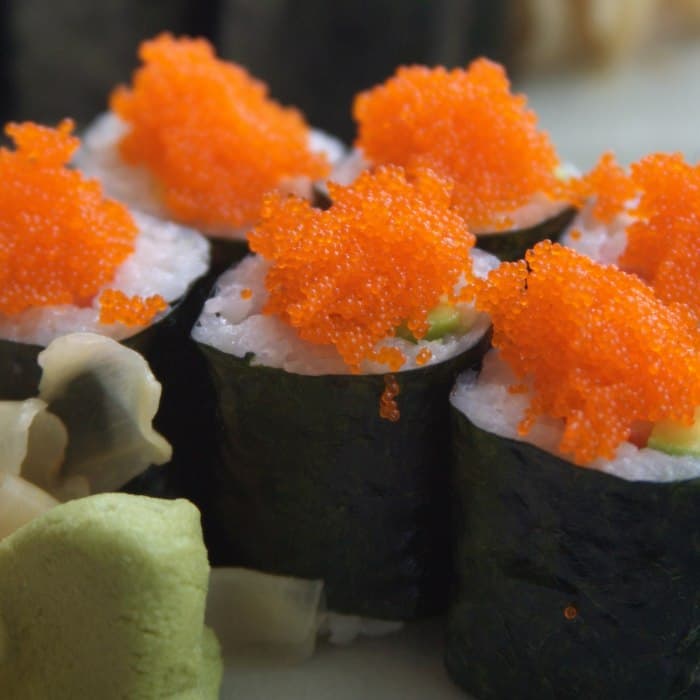 The culturePhrases, vessels, season, and hospitality shape how food is received.
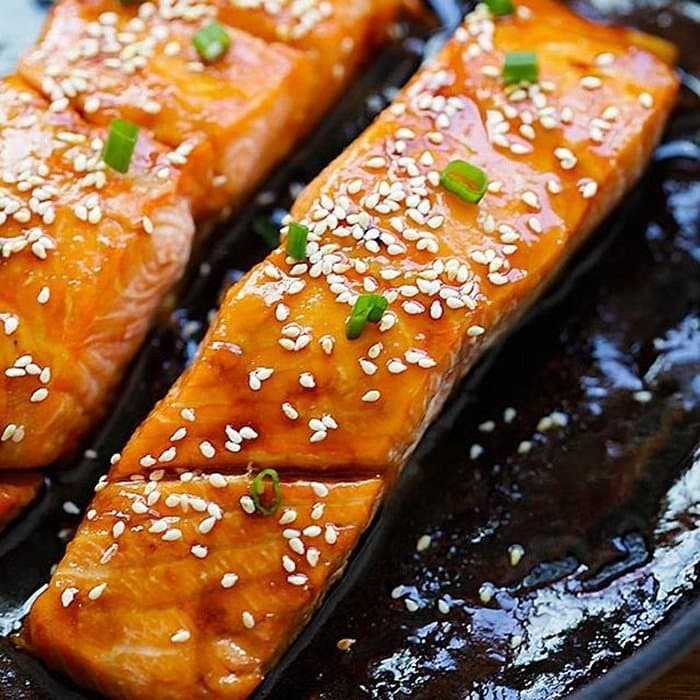 The tasteBroth, grill, ferment, steam, and fry build precise layers of flavor.
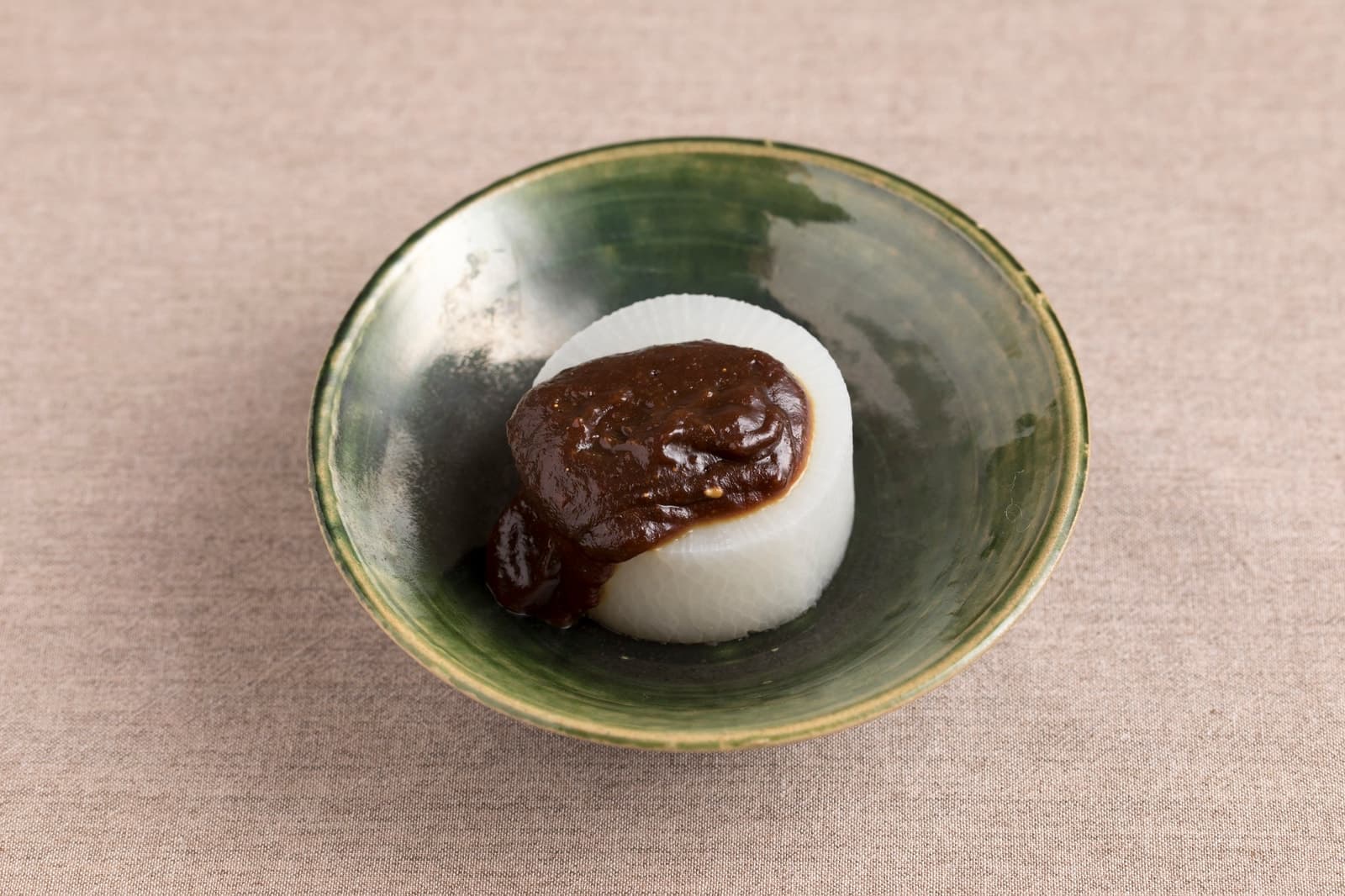 The ingredientsRice, soy, seaweed, tea, fruit, noodles, and seafood carry place.
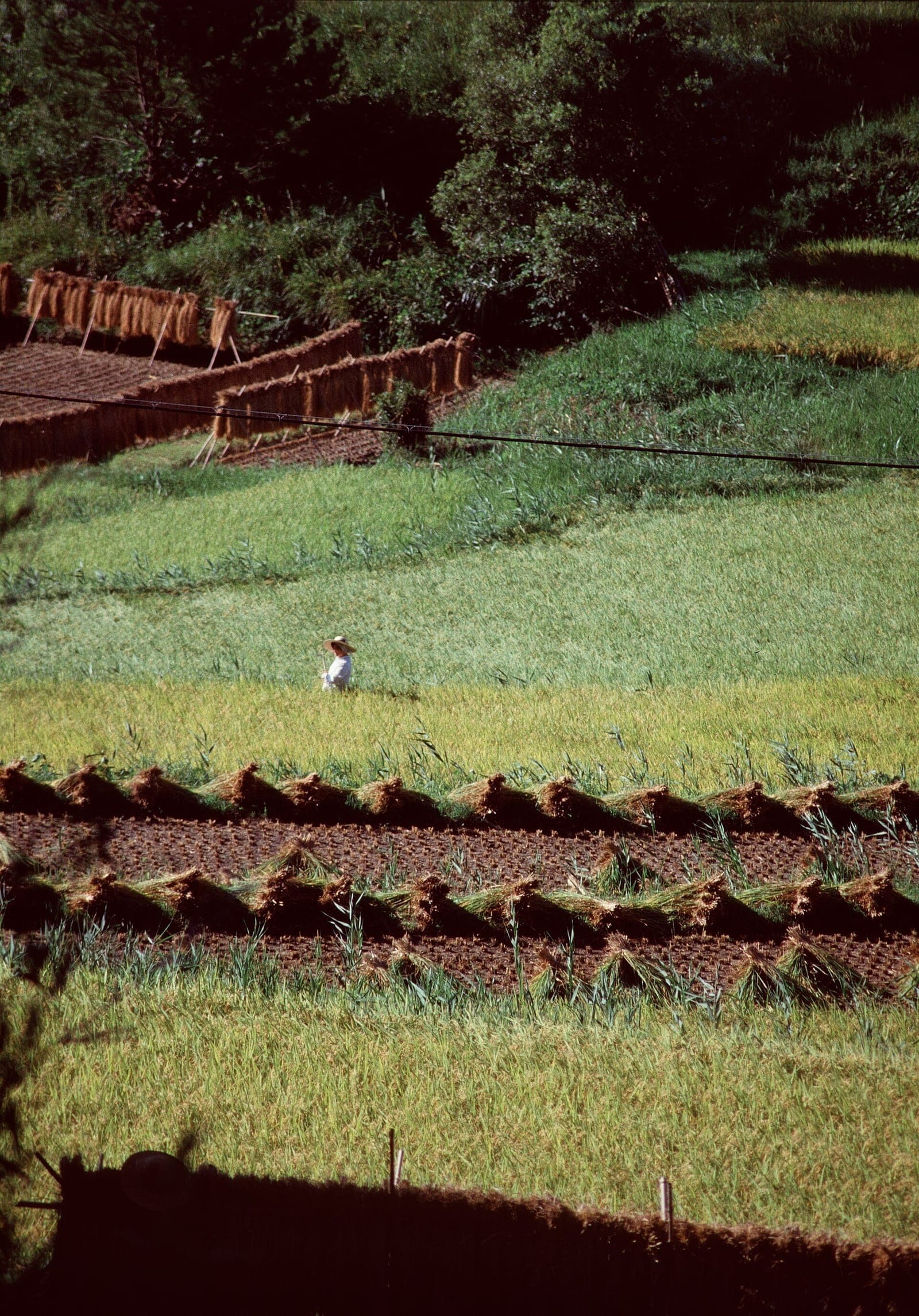
The faces behind the flavors
Quality begins before the kitchen.
Rice fields, orchards, fisheries, tea gardens, and fermentation rooms each demand a different kind of attention. Variety is maintained because makers keep observing weather, ripeness, texture, and time.
Kitchen essentials
The pantry is a landscape in miniature
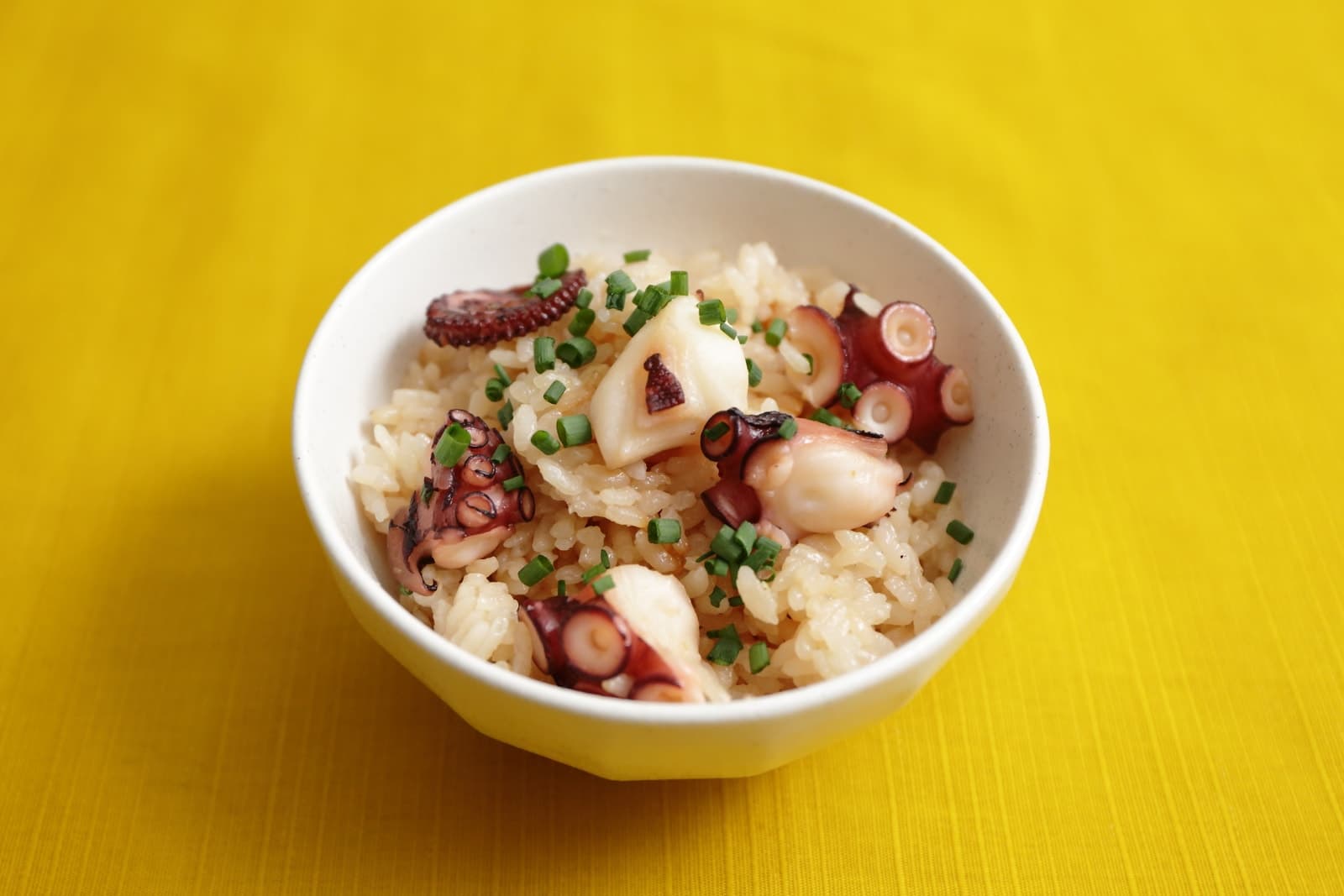 RiceDaily staple, ceremonial food, and the beginning of sake.
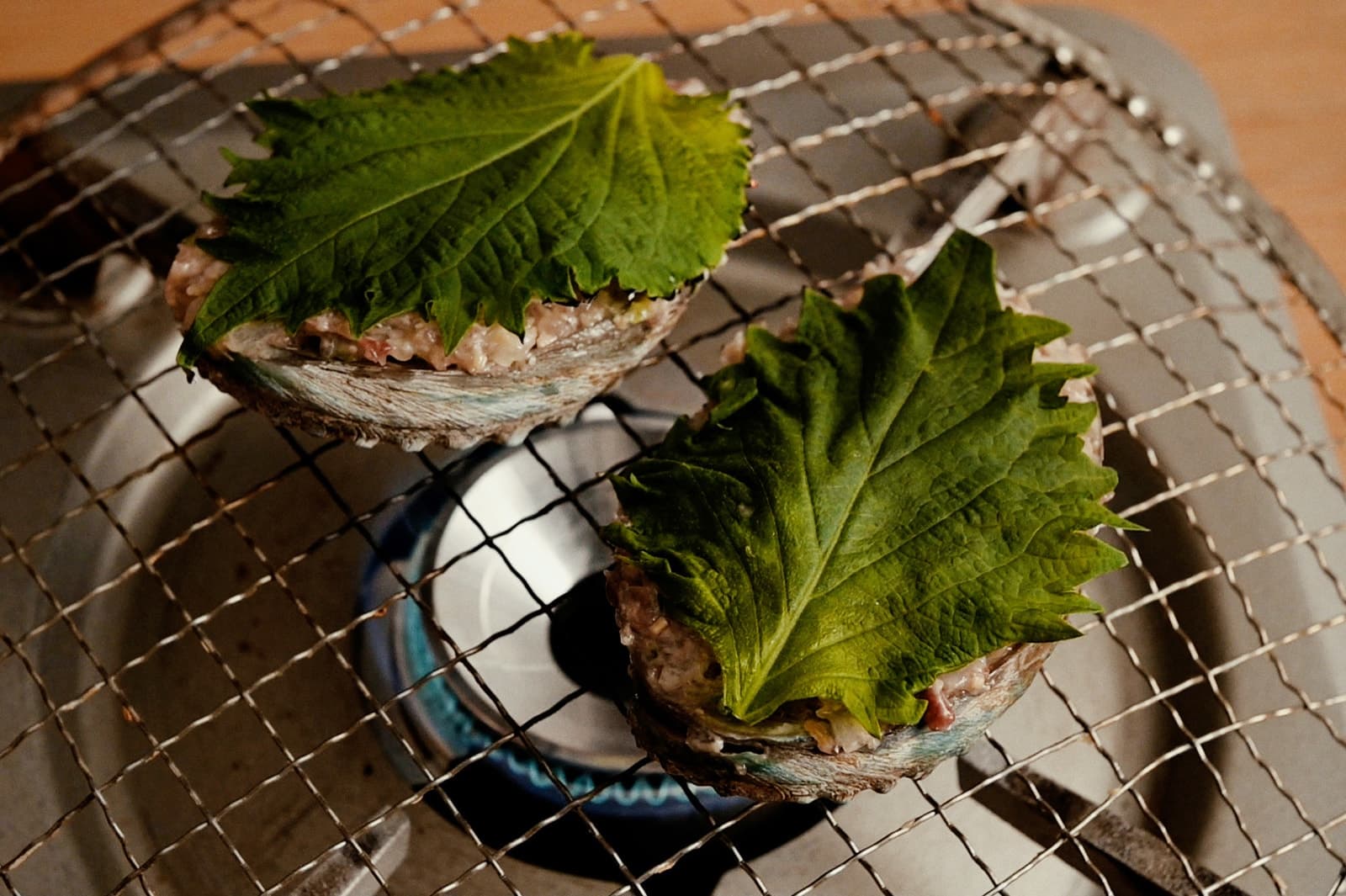 SoyTofu, miso, and soy sauce turn one bean into many textures.
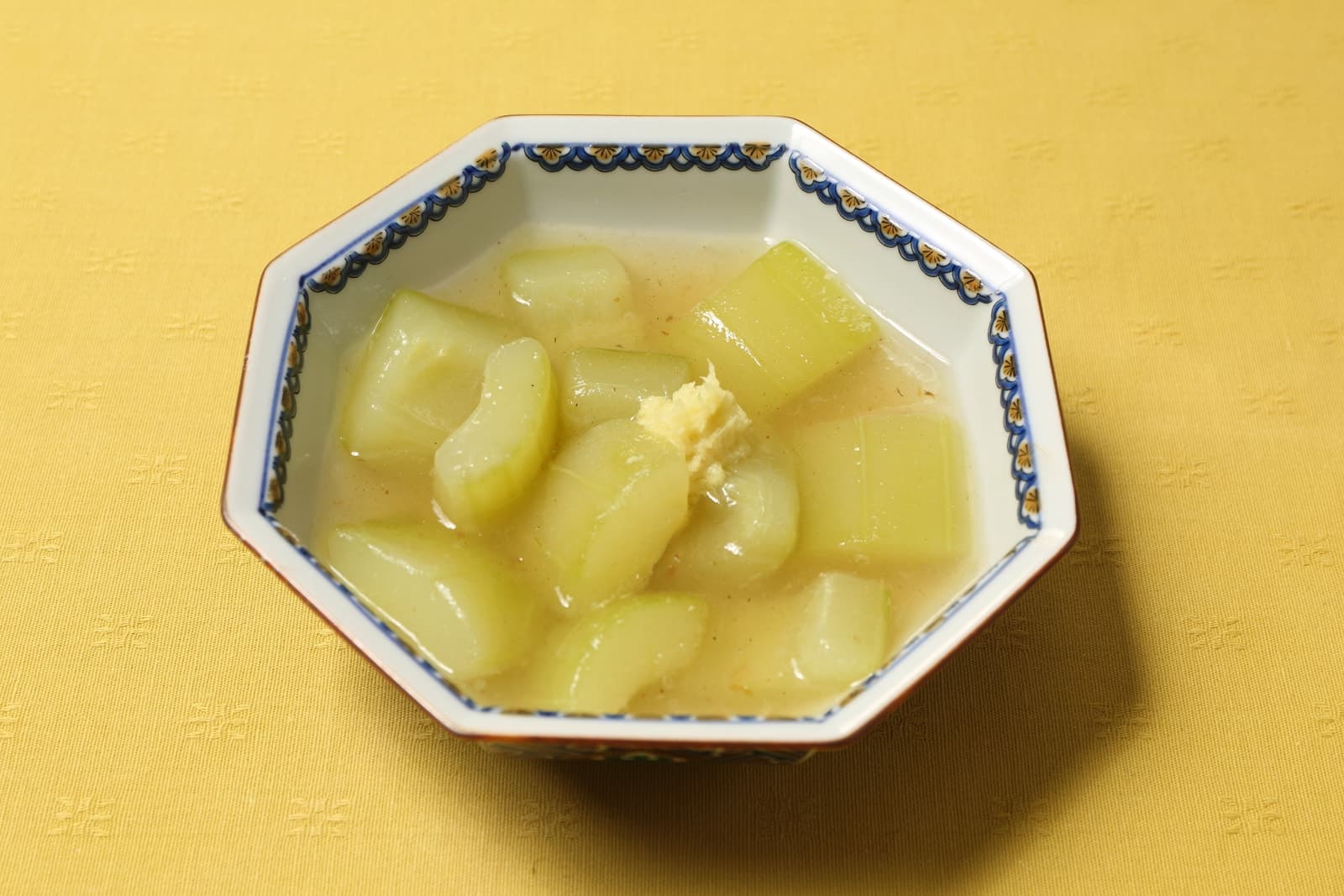 DashiKelp and dried fish create depth through extraction rather than weight.
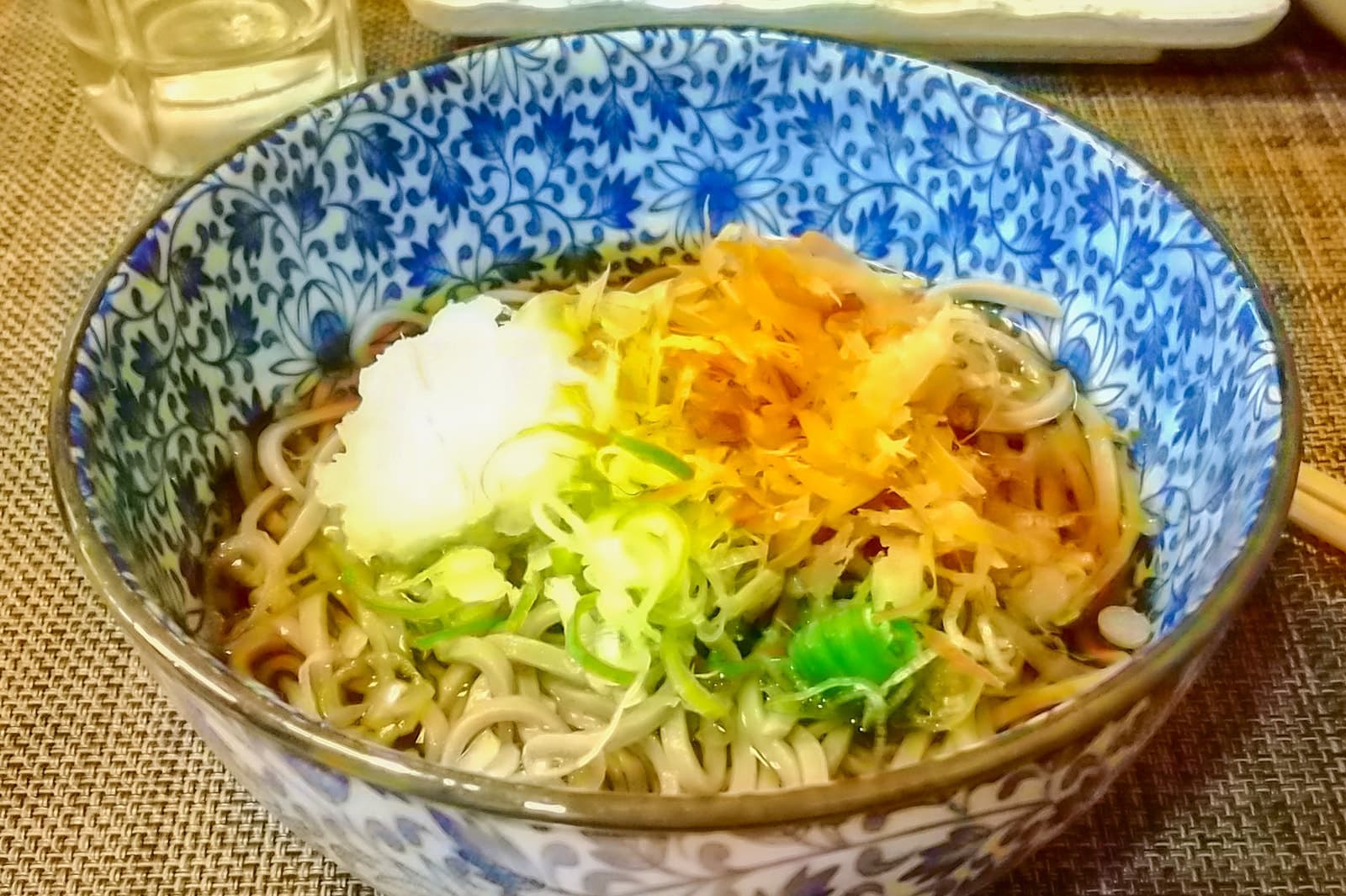 NoodlesUdon, soba, and ramen make region, broth, and texture legible.
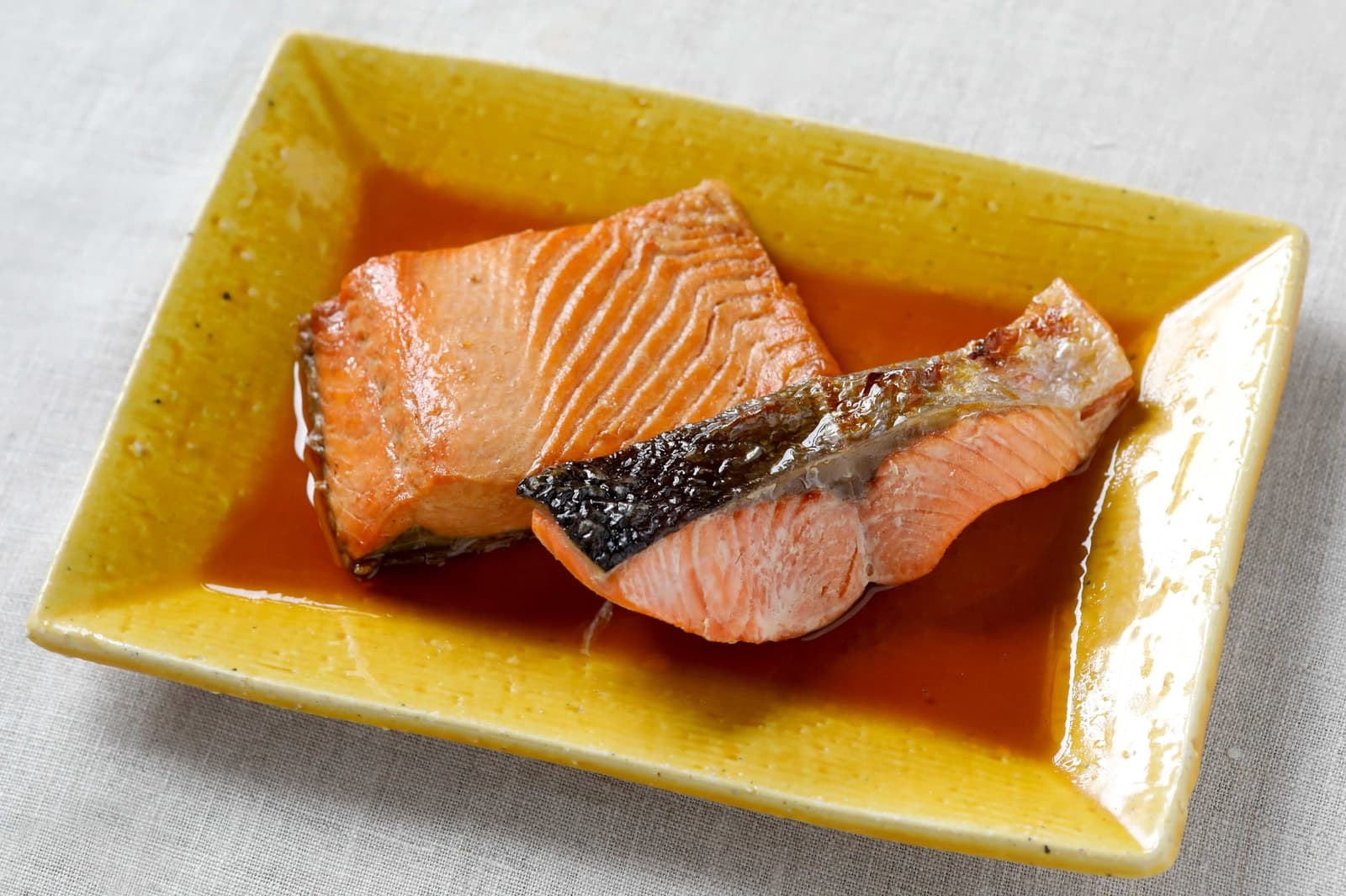 SeasonFruit, fish, and vegetables are valued at a particular moment.
Markets and makers
Food quality is maintained in public.
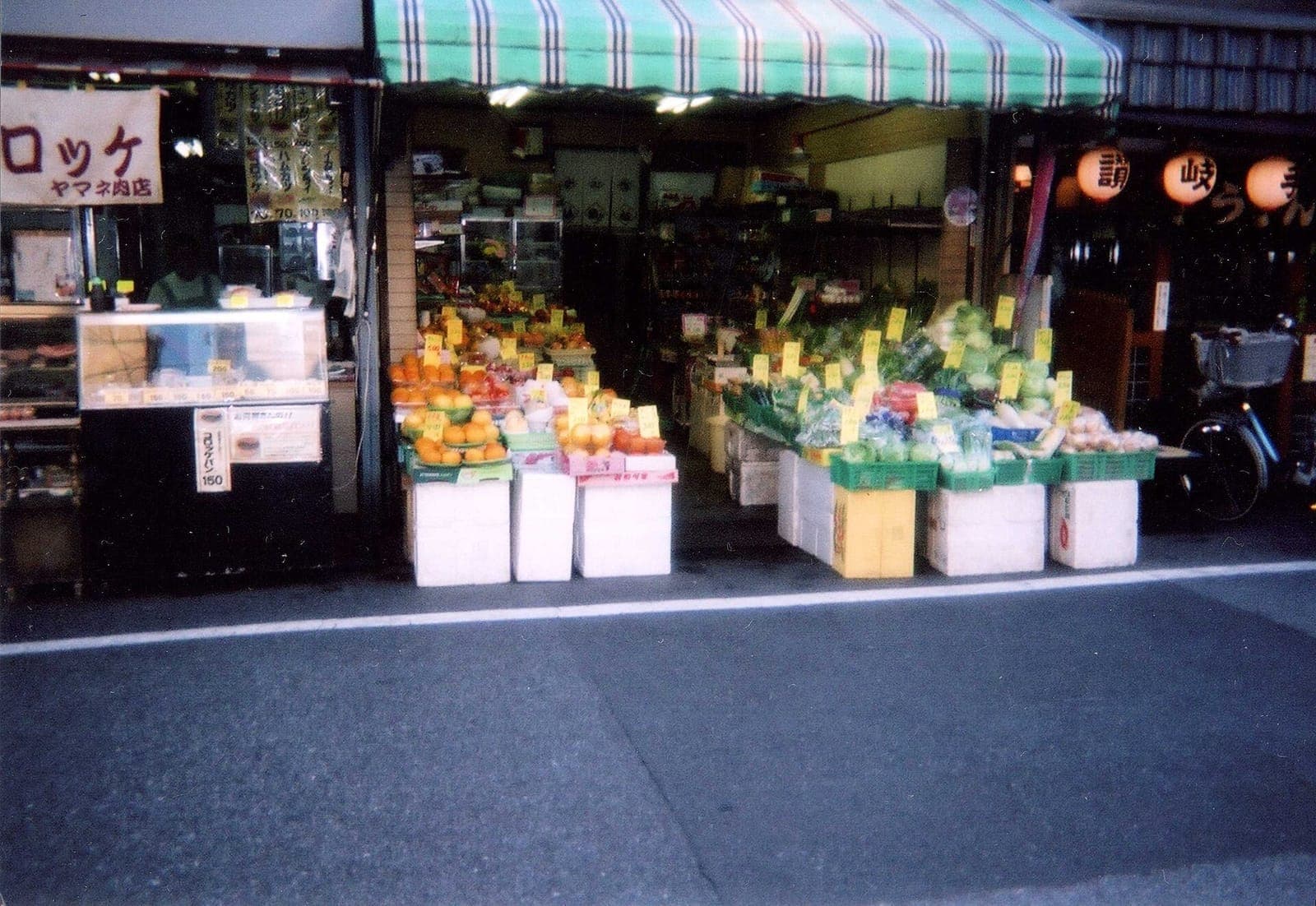
Markets make expertise visible. Sellers grade, arrange, preserve, and explain; customers compare season and origin. These exchanges connect household cooking to the larger systems that keep variety alive.
There is more to food than eating
A meal begins and ends with attention.
Words spoken before and after eating acknowledge ingredients, labor, and hospitality. Season also appears through color, serving vessels, garnish, and the decision that a particular food feels right now.
meshiagare“Please, enjoy the meal—not only as a dish, but as the work of many hands and places.”— Savora editorial synthesis, informed by the reference exhibition
Every recipe has a history
Ordinary dishes carry long systems of knowledge
Follow three routes through preservation, urban appetite, and the precision hidden inside convenience.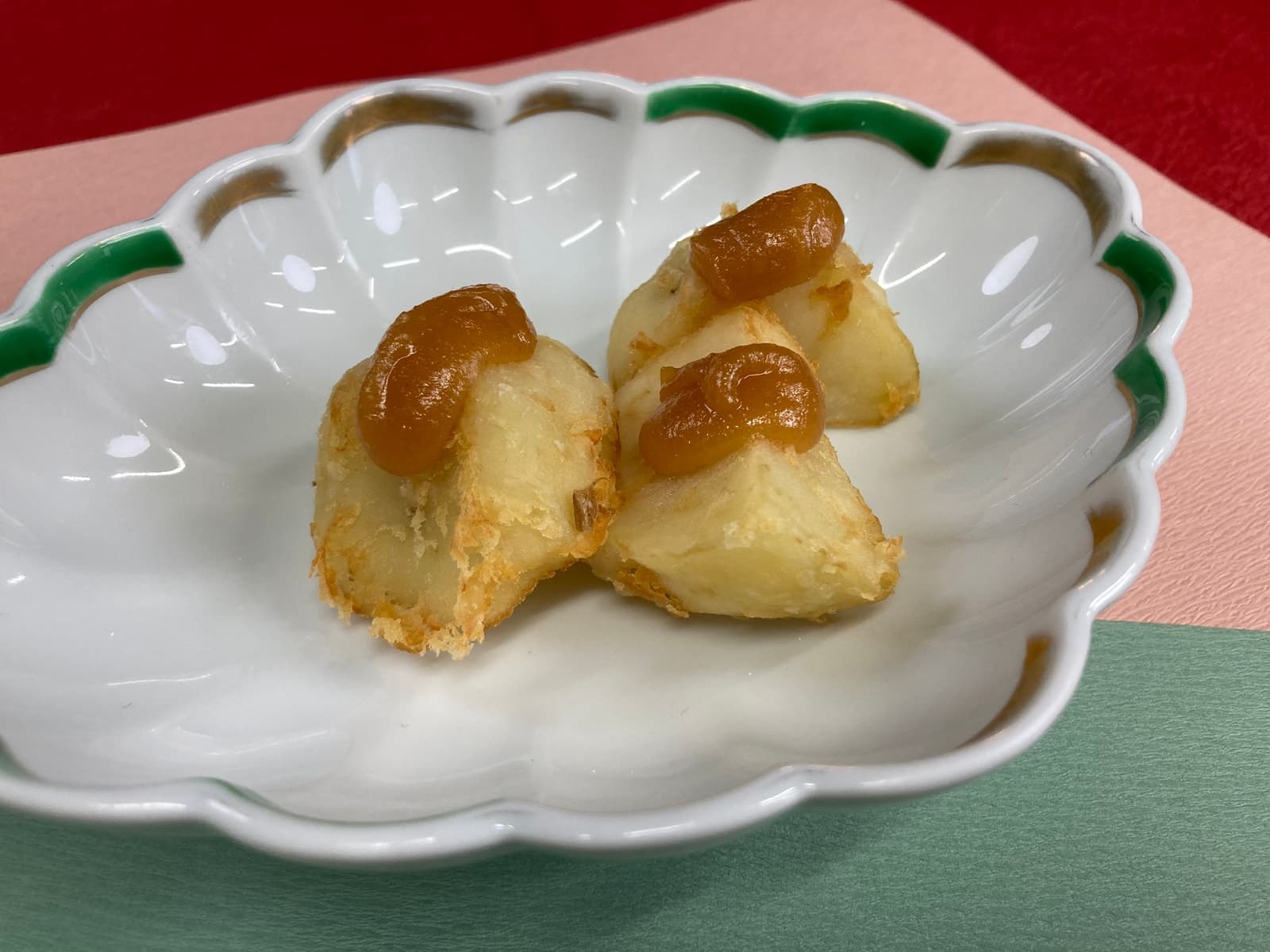
Fermentation
Miso, soy sauce, pickles, and sake use microbes, climate, and time as ingredients.Open Chichibu Miso Potatoes →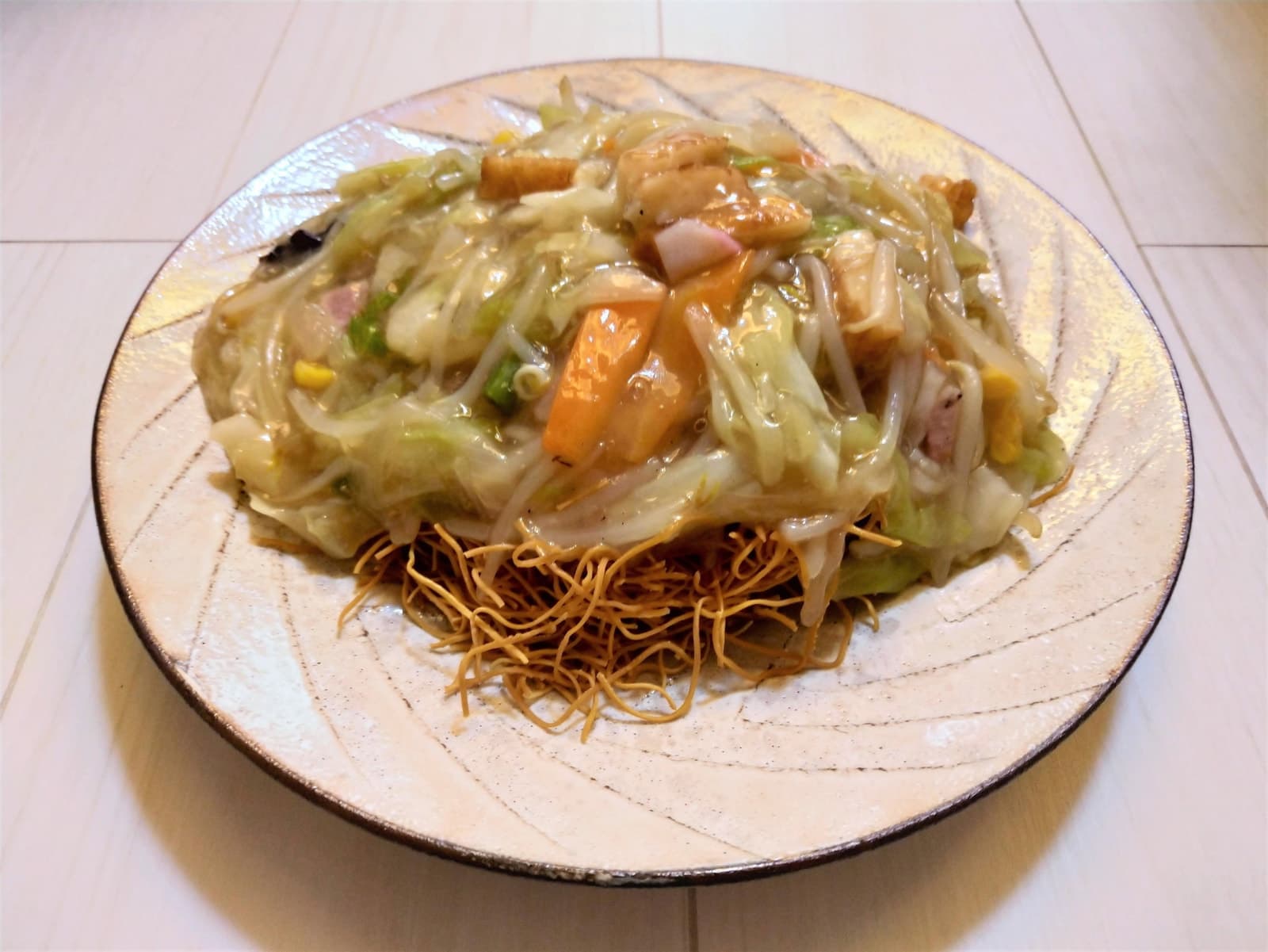
The everyday bowl
Broth and noodles turn regional variation into a form that can keep evolving.Open Nagasaki Sara Udon — Crispy Noodles →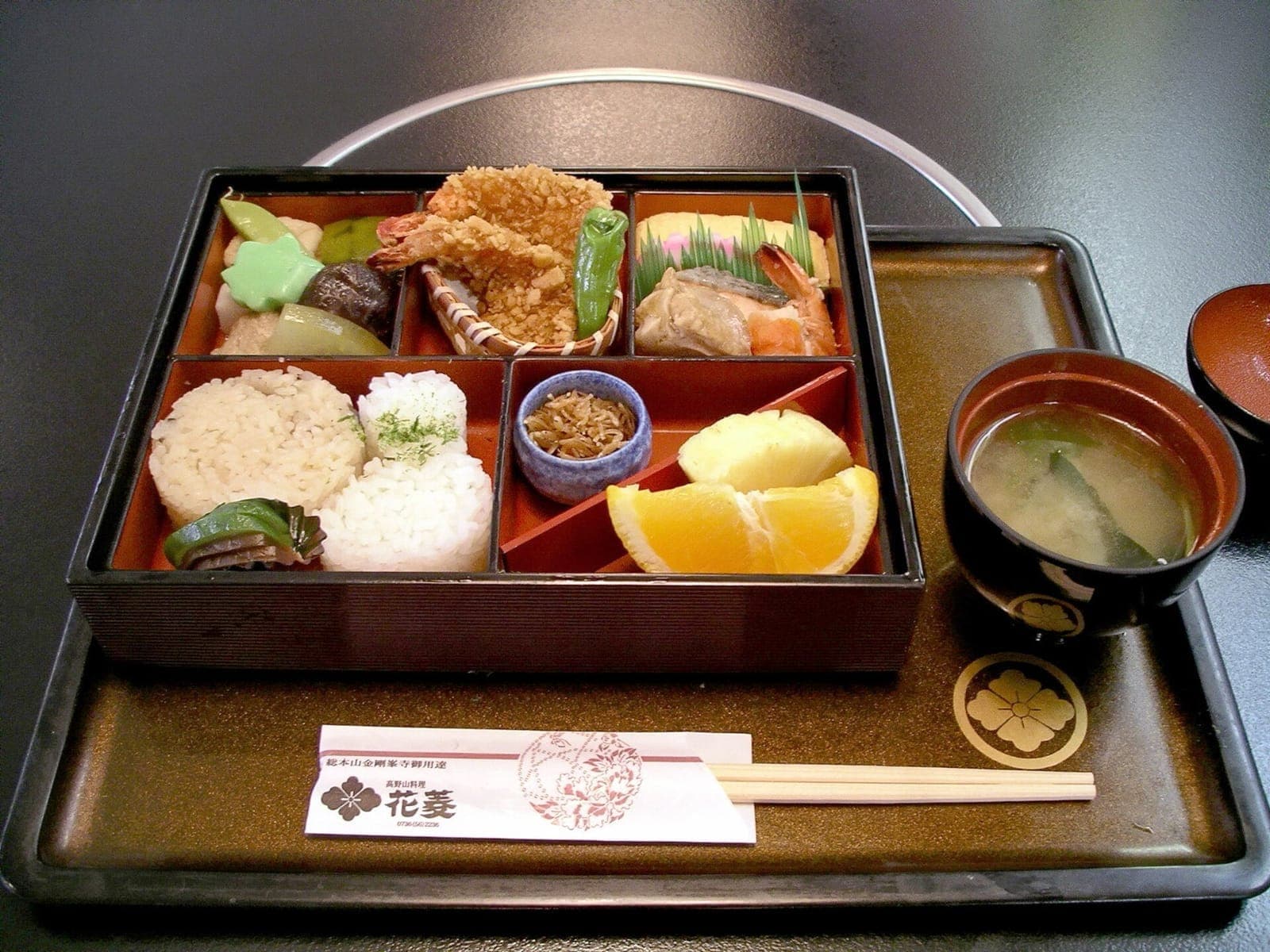
Flavors
Six signatures to follow
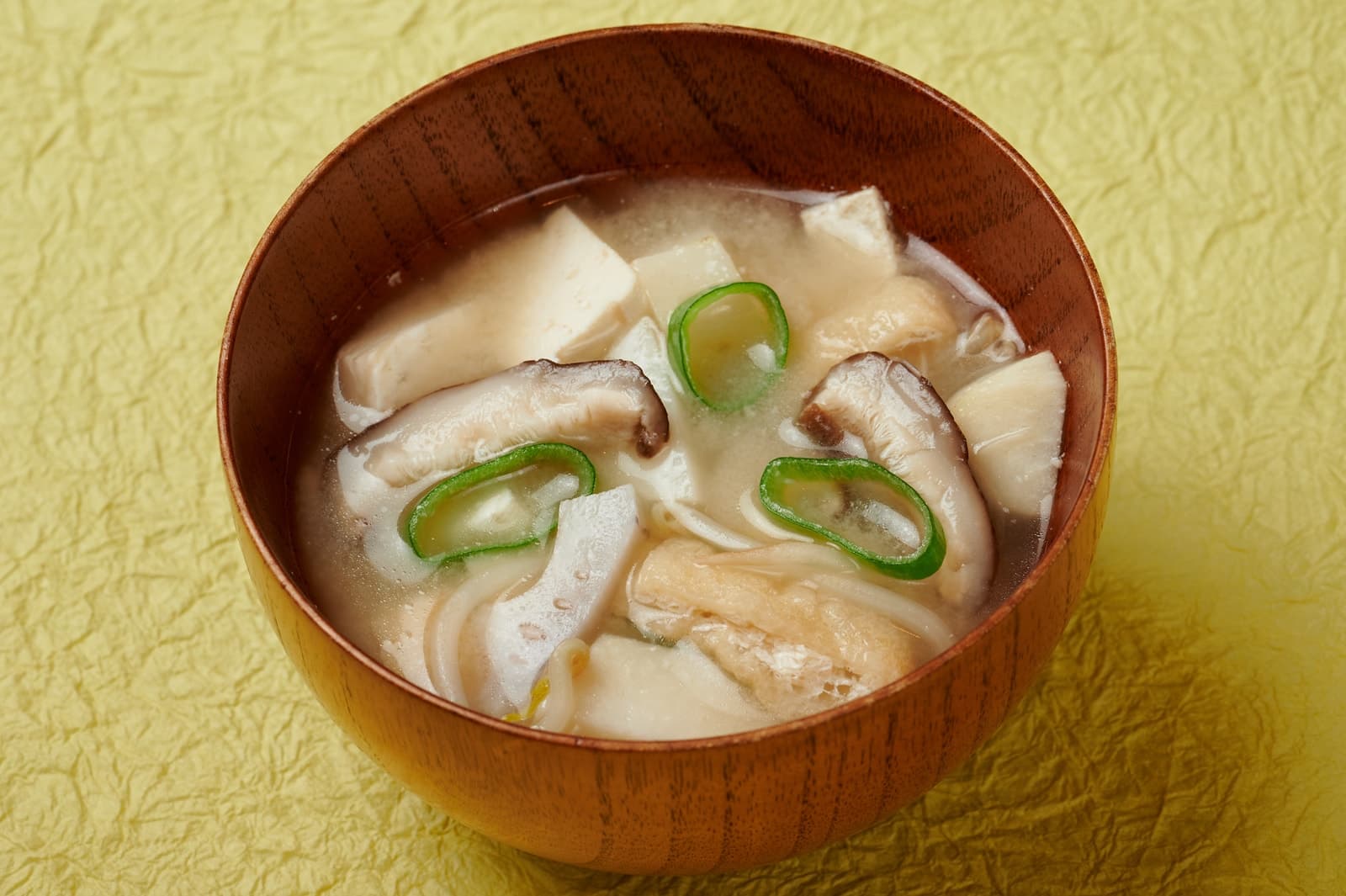 UmamiA shared depth built from kelp, mushrooms, fish, soy, and fermentation.
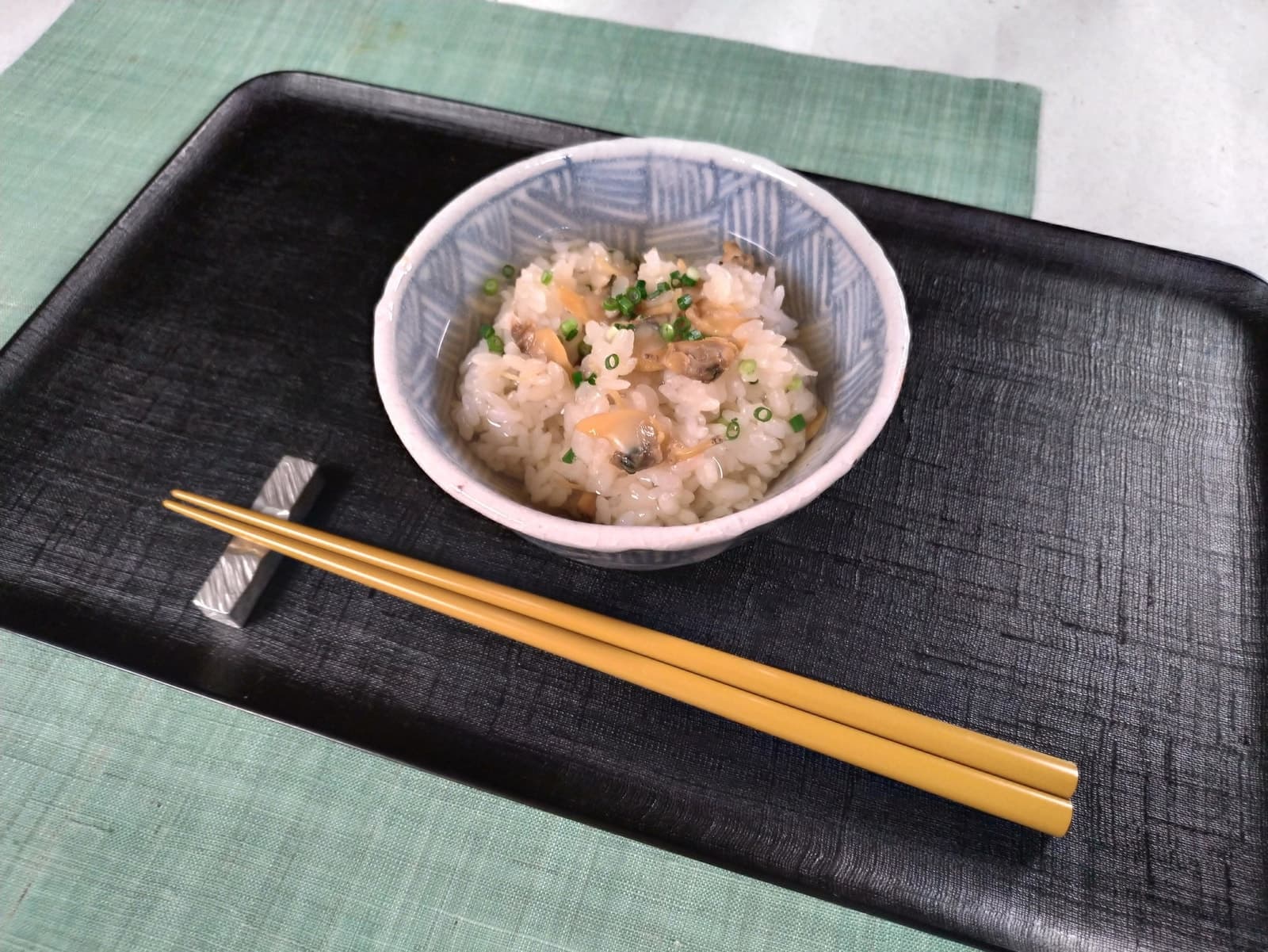 RiceTexture, variety, washing, resting, and steam matter.
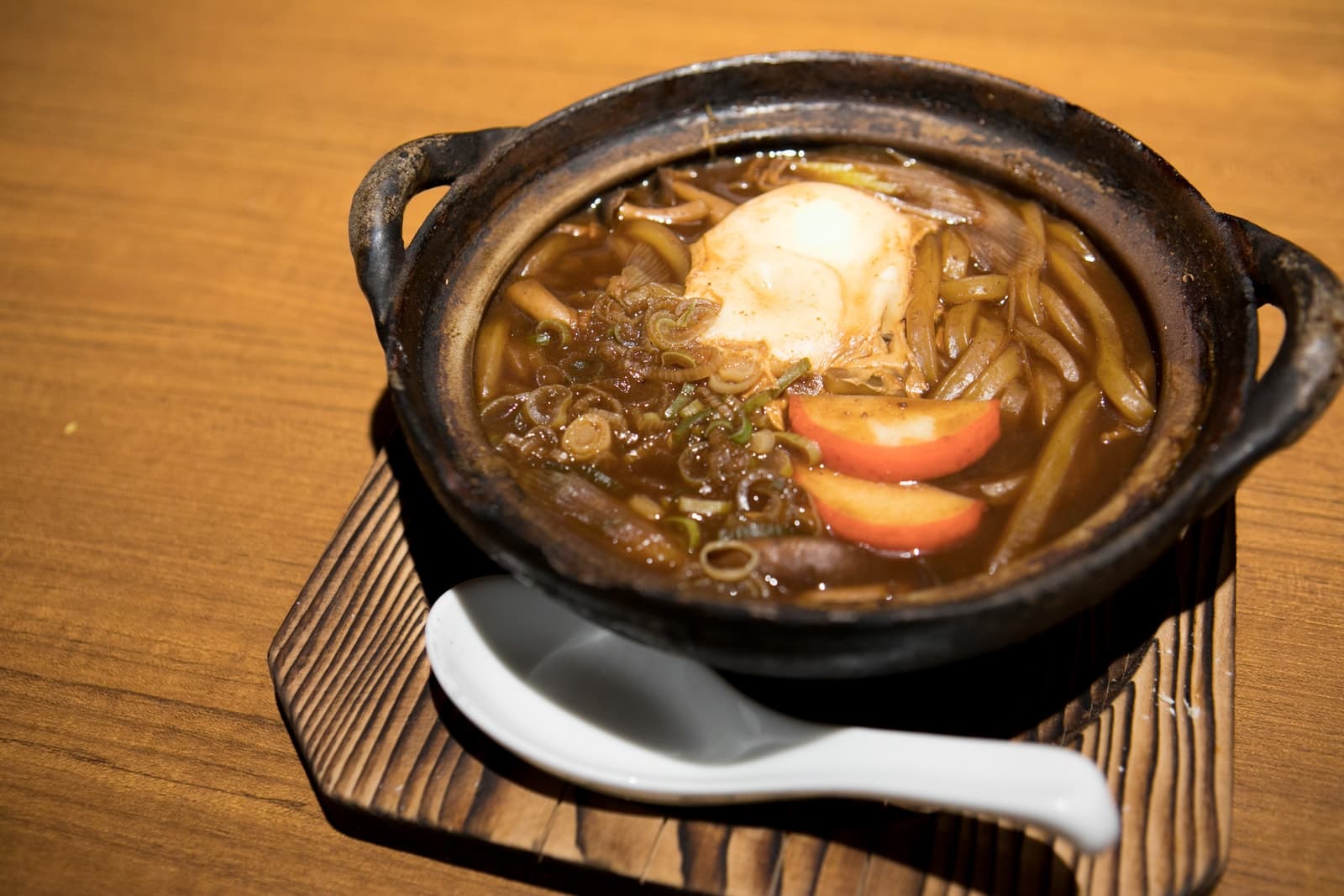 BrothClear or rich, it records extraction, timing, and region.
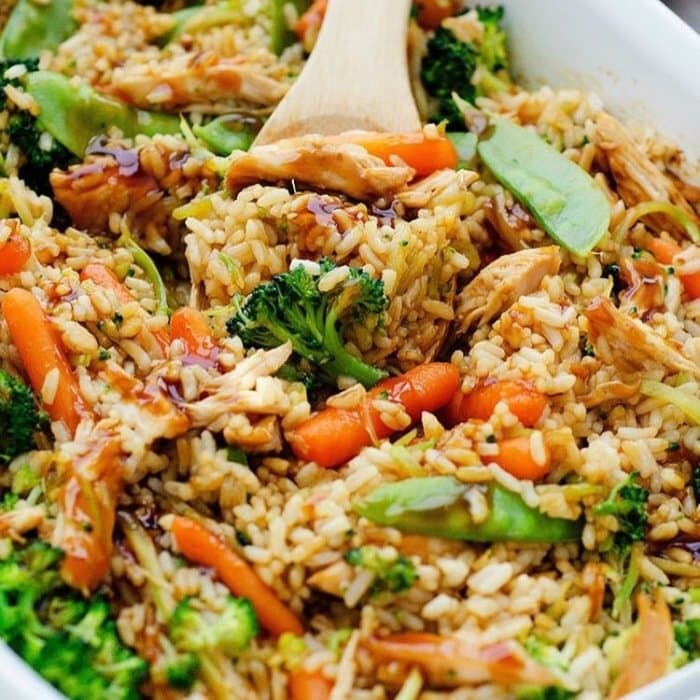 GrillDirect heat concentrates glaze, smoke, and surface texture.
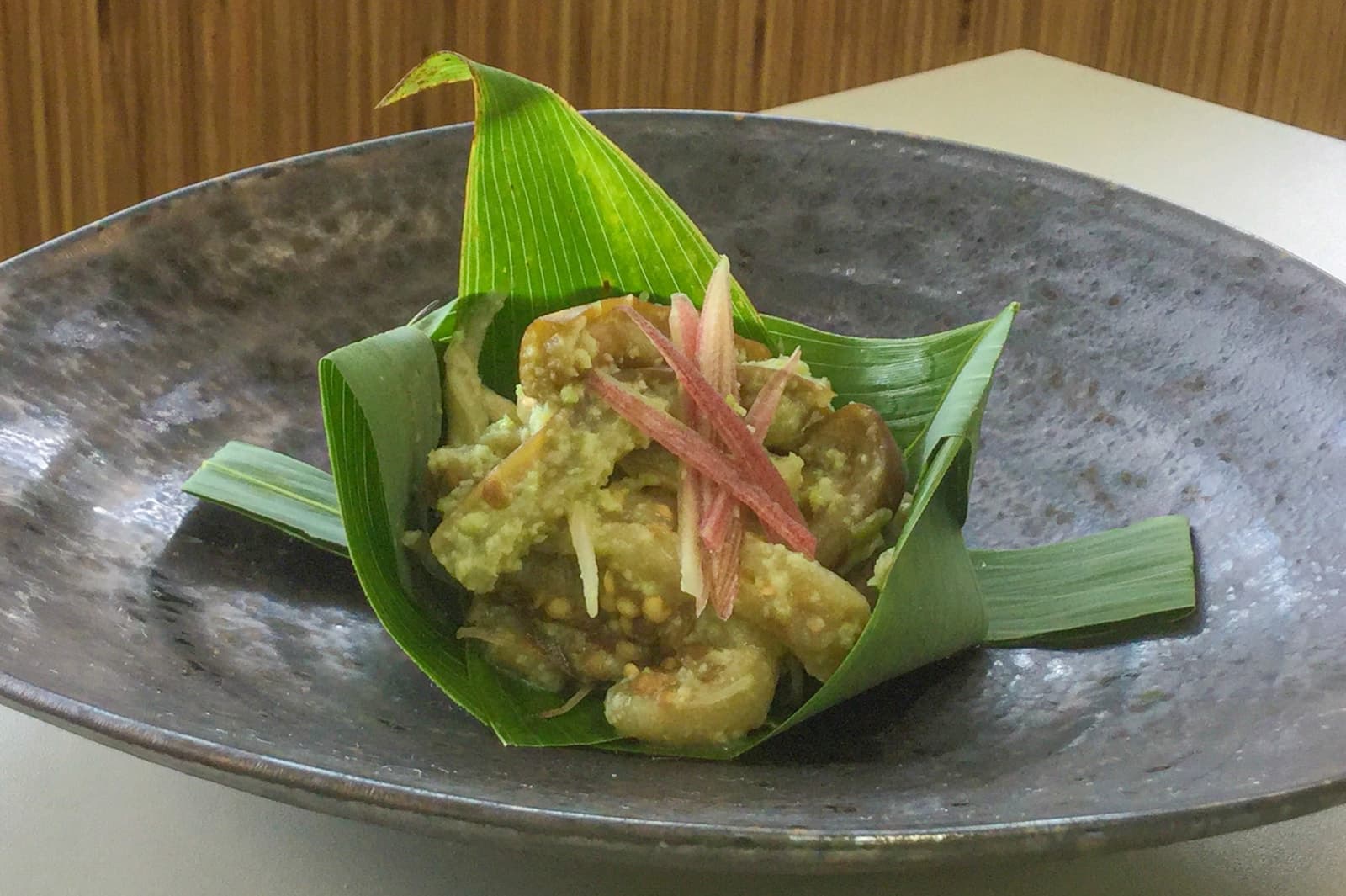 FermentTime turns soy, rice, vegetables, and fish into pantry foundations.
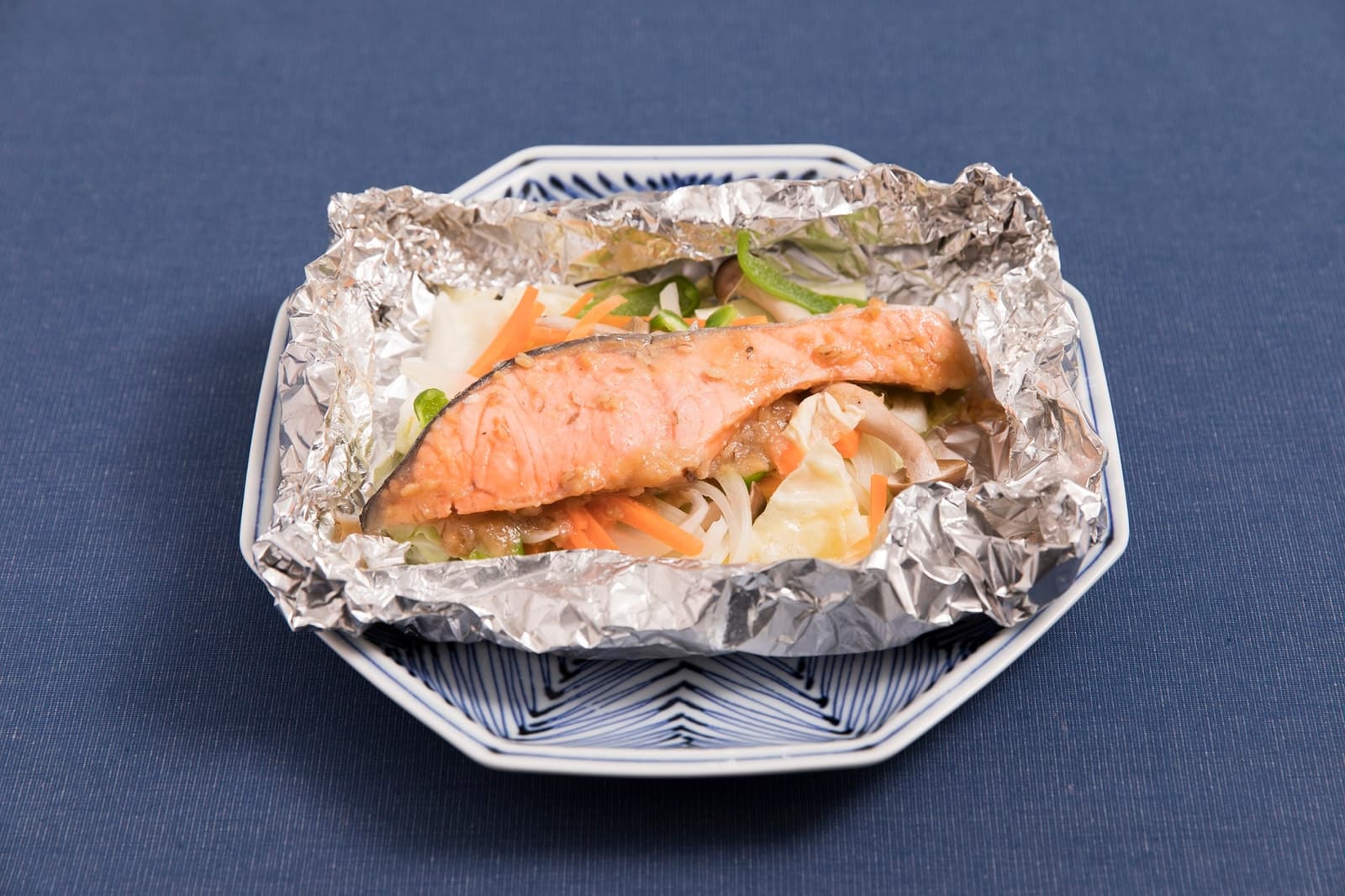 SeasonalityThe best ingredient is understood as a moment as well as a product.
Japanese food reaches beyond the finished dish.
Image sources
- A carefully garnished bowl of shoyu ramen. — Unsplash contributor · owner-approved Savora asset ↗
- Rice being harvested in Japan. — Marie-Sophie Mejan · CC BY 4.0 ↗
- A traditional vegetable store in Tokyo. — Kentin · CC BY-SA 2.1 JP ↗
- A bento box served at a temple lodging on Mount Koya. — Blue Lotus · CC BY 2.0 ↗