Maize · chile · community
Where the milpa becomes a table.
Look beyond the shorthand of burritos and tacos. Maize, beans, squash, chile, markets, grinding, fire, and regional memory reveal a food culture built through transformation and reciprocity.
A taste of Mexico
Begin with the system, not a stereotype
The field, the market, the comal, and the shared table offer four routes into many regional cuisines.

The growing system
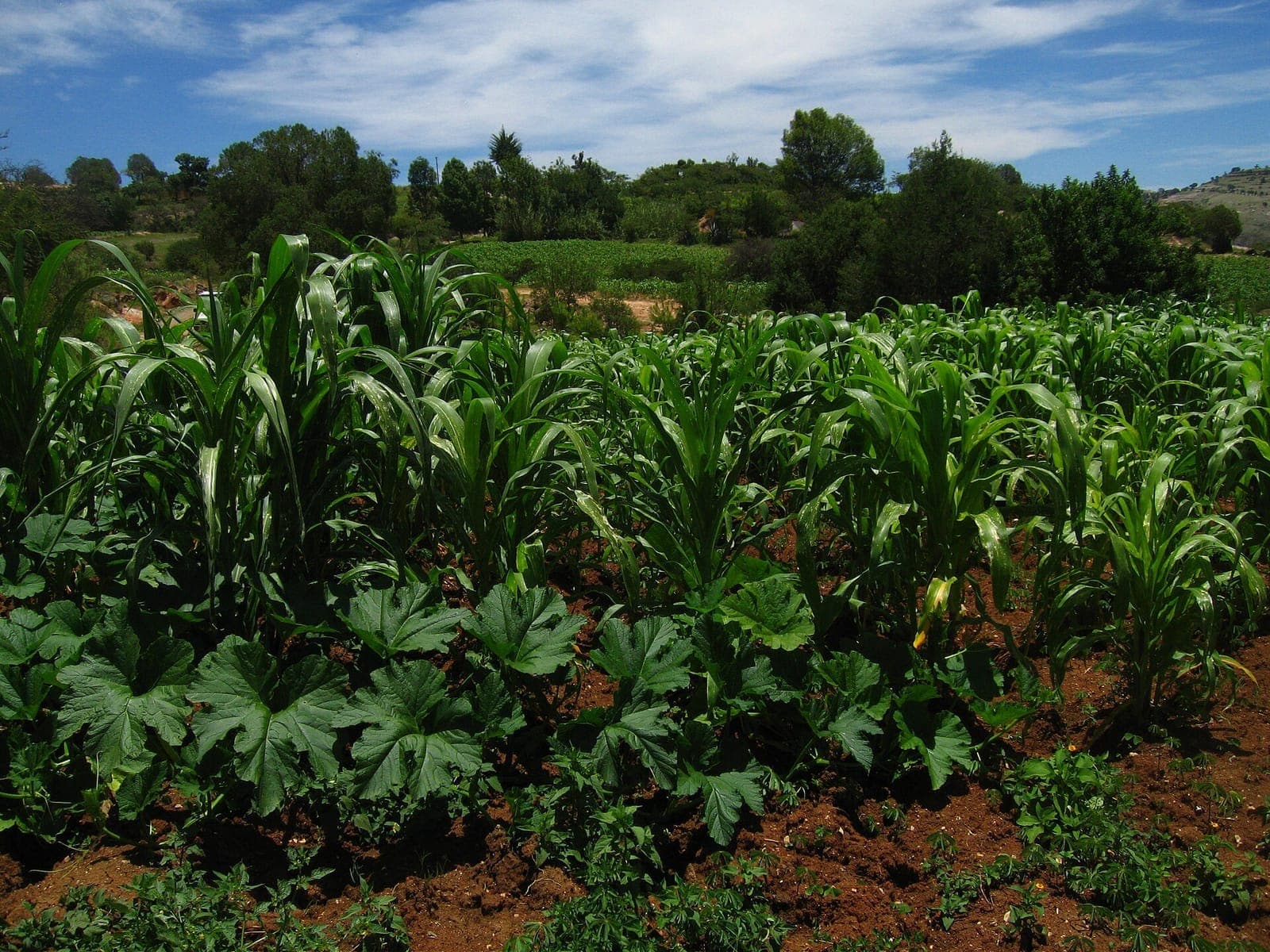
The field is already a recipe.
The milpa is more than a list of crops. Maize offers structure, beans replenish soil, squash shades the ground, and chile adds both food and protection. Ecological relationships continue as culinary relationships.
Kitchen essentials
Transformation creates the pantry
 MaizeNixtamal, masa, tortillas, tamales, drinks, and countless local forms.
 ChileFresh, dried, smoked, toasted, soaked, ground, or used whole.
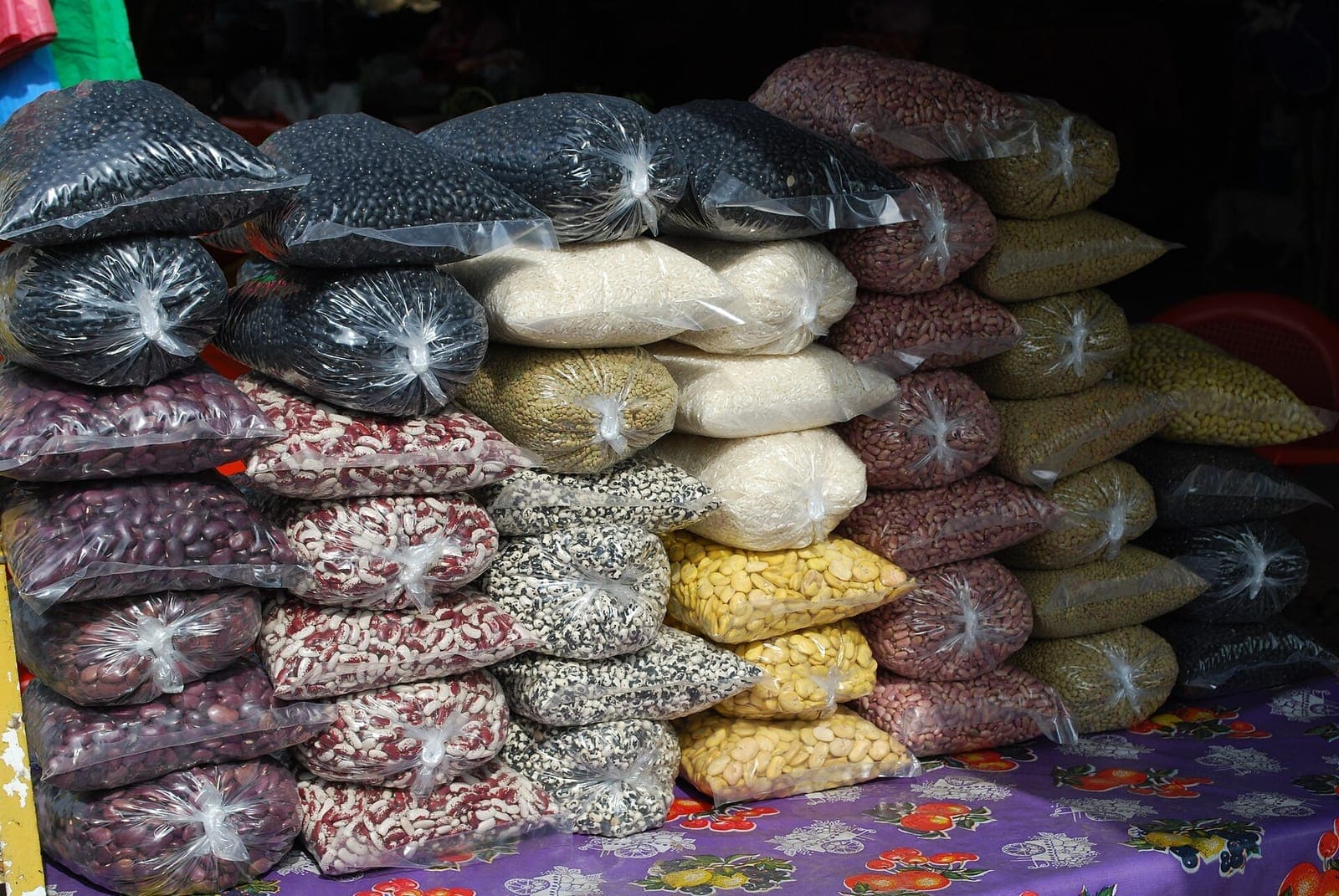 BeansA daily foundation with varieties and textures tied to region.
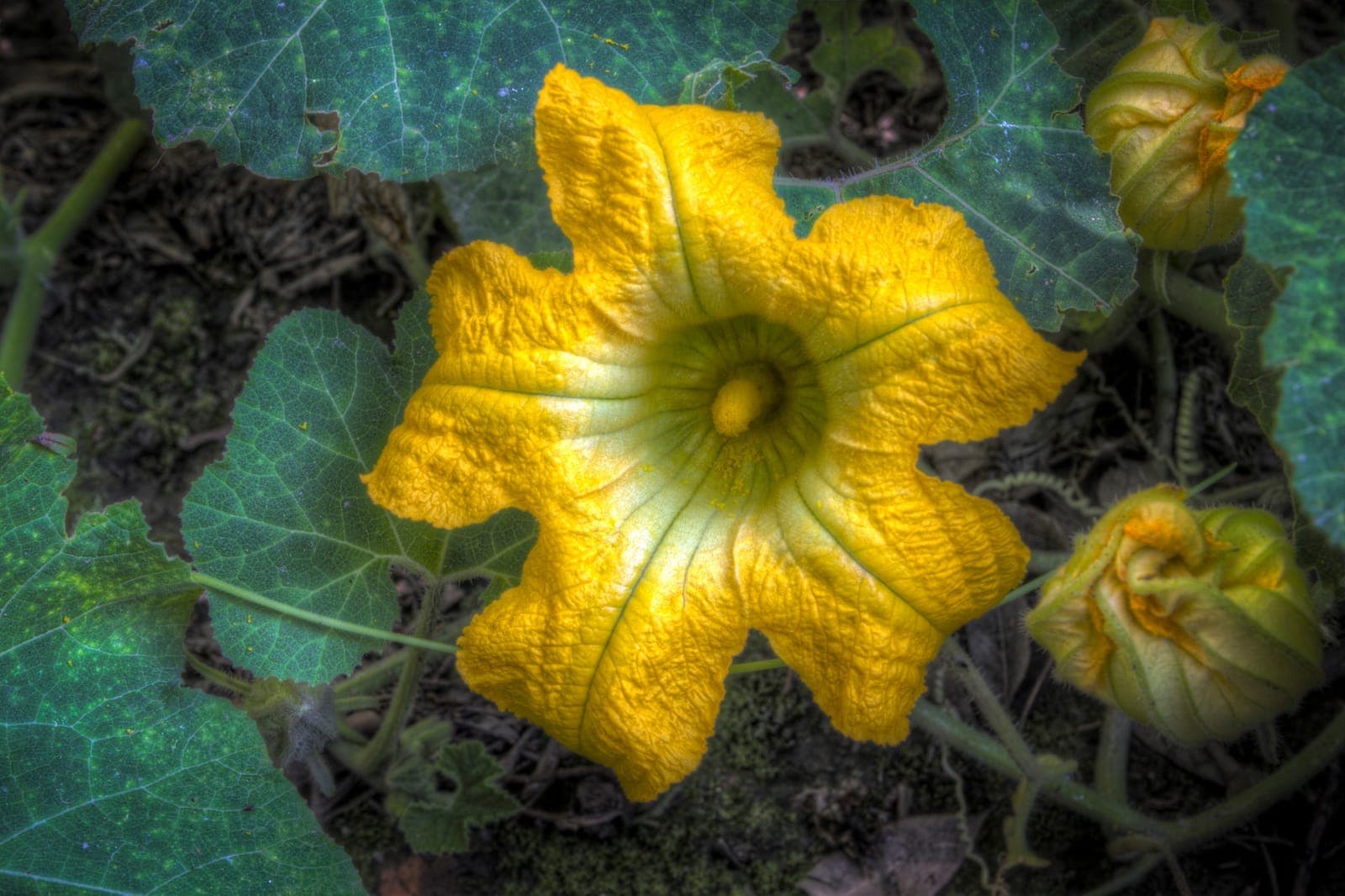 SquashFruit, flower, and seed each enter the kitchen differently.
 TomatilloTart brightness gives green salsas their structure.
Hands, stone, and fire
Technique is a form of living memory.
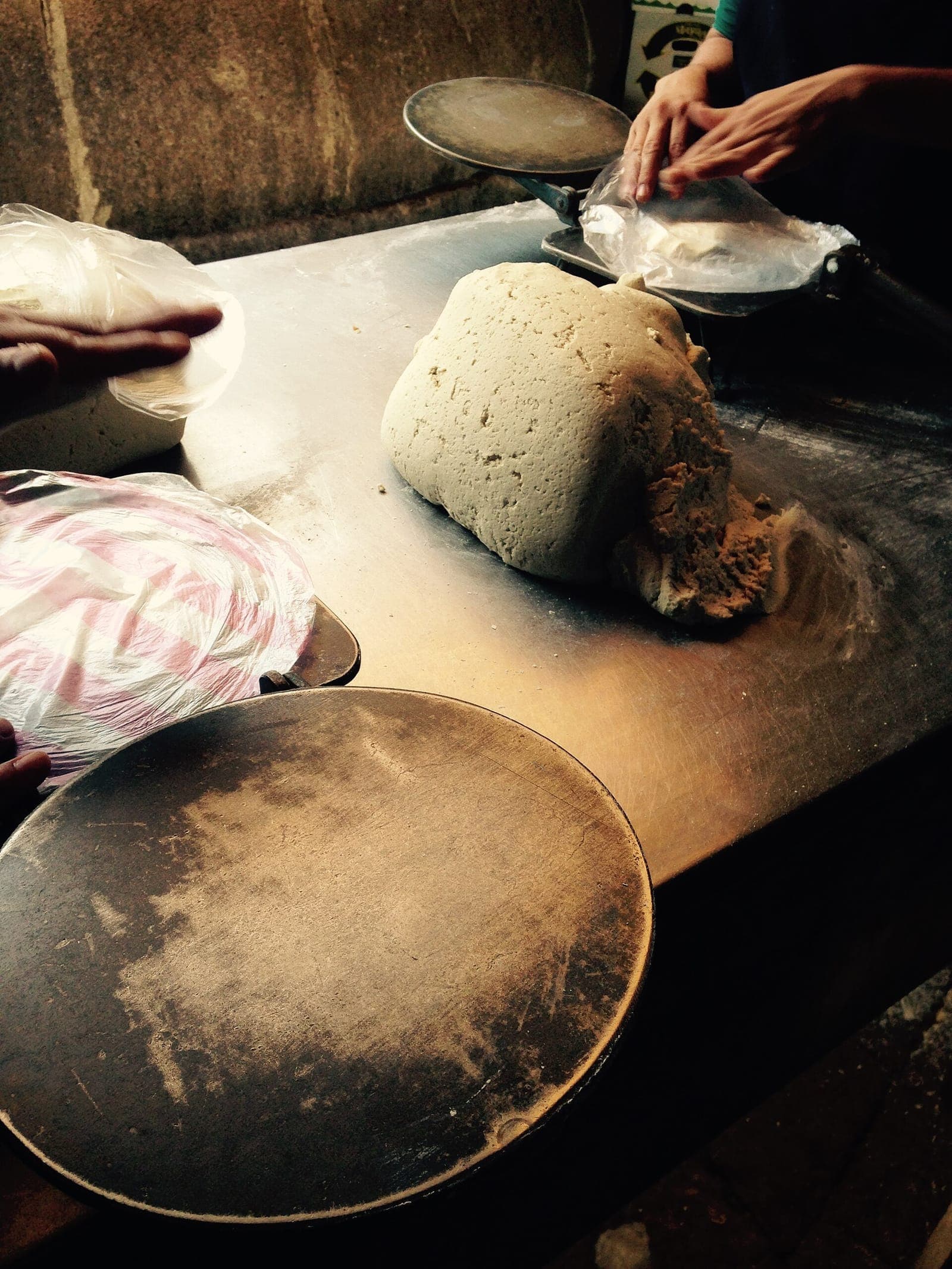
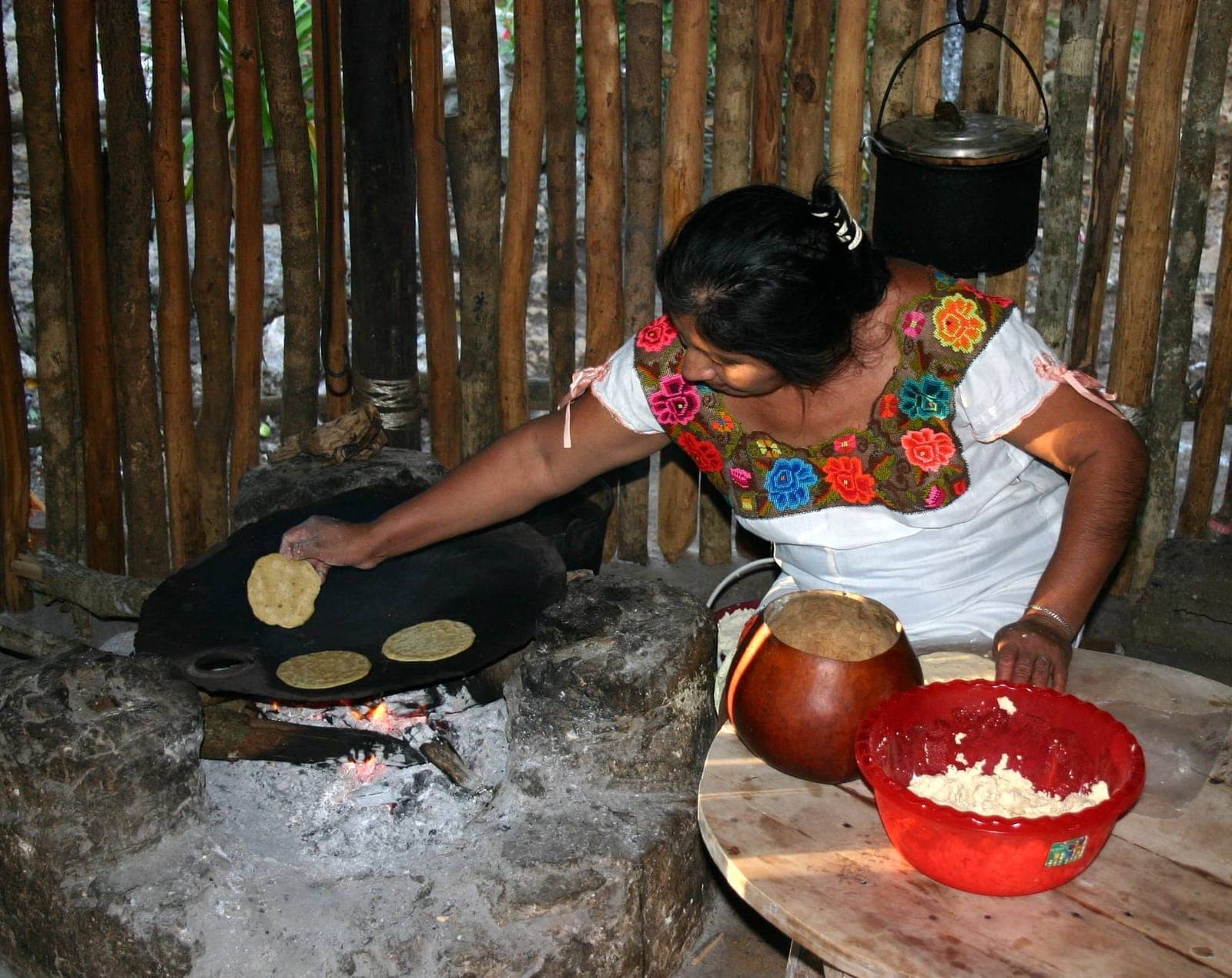
Soaking maize, grinding masa, pressing tortillas, toasting chile, and judging the heat of a comal are learned through repetition. Tools matter because they carry gestures from one generation into the next.
The hidden story
A tortilla begins long before it reaches the plate.
Nixtamalization changes maize nutritionally, structurally, and aromatically. The process makes good masa possible and shows why technique cannot be separated from the history of an ingredient.
del maíz a la mesa“The shortest recipe may contain the longest memory: seed, soil, soaking, stone, fire, and hands.”— Savora editorial synthesis, informed by the reference exhibition
Every recipe has a history
Regional kitchens speak different languages
Three routes through masa, complex sauces, and foods designed to travel between home, market, work, and celebration.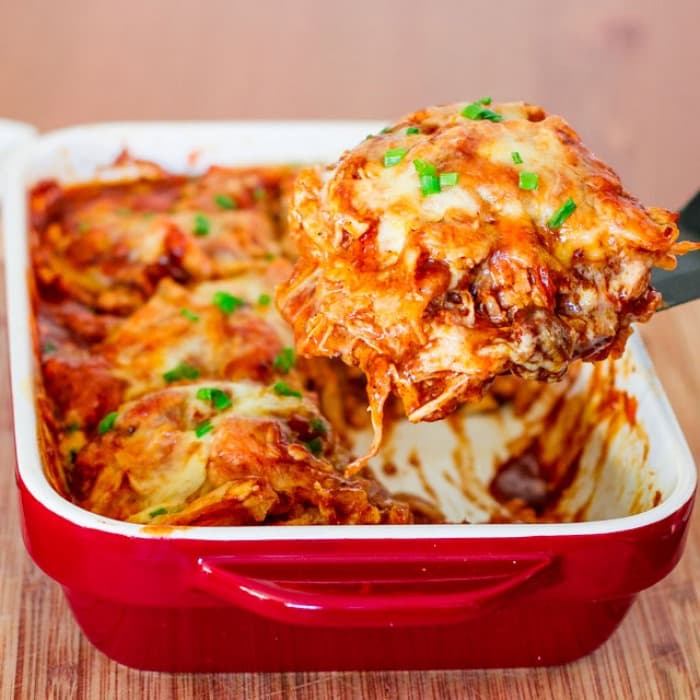
Masa
Tortillas, tamales, sopes, and enchiladas begin with related doughs but distinct forms.Open Chicken Enchilada Casserole →
Mole & salsa
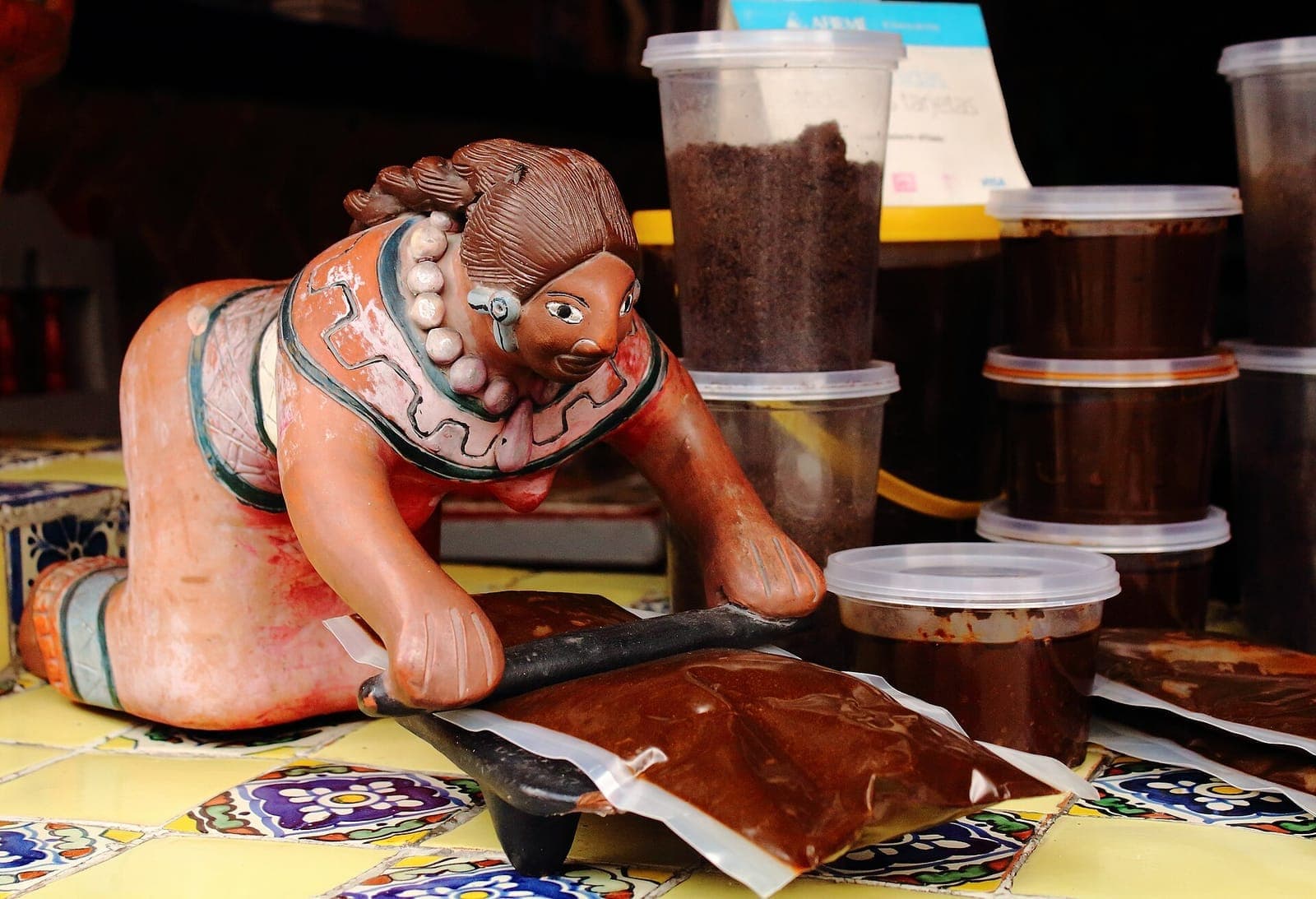
Layered sauces combine roasting, grinding, fruit, seed, spice, and patient adjustment.Explore Mexico →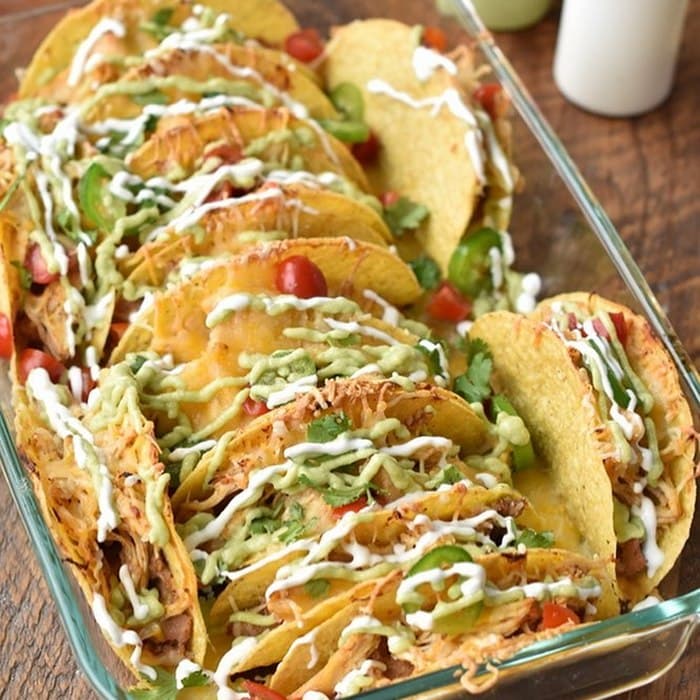
Market food
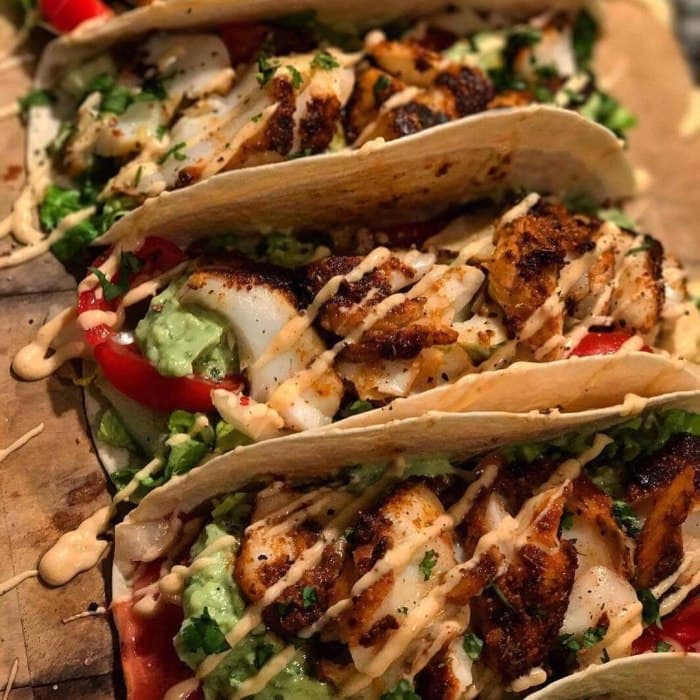
Portable dishes make local appetite visible in public space.Open Crock Pot Chicken Baked Tacos →Flavors
Six signatures to follow
 MaizeSweetness, toast, earth, and the scent released by the comal.ProtoplasmaKid · CC BY-SA 3.0 ↗
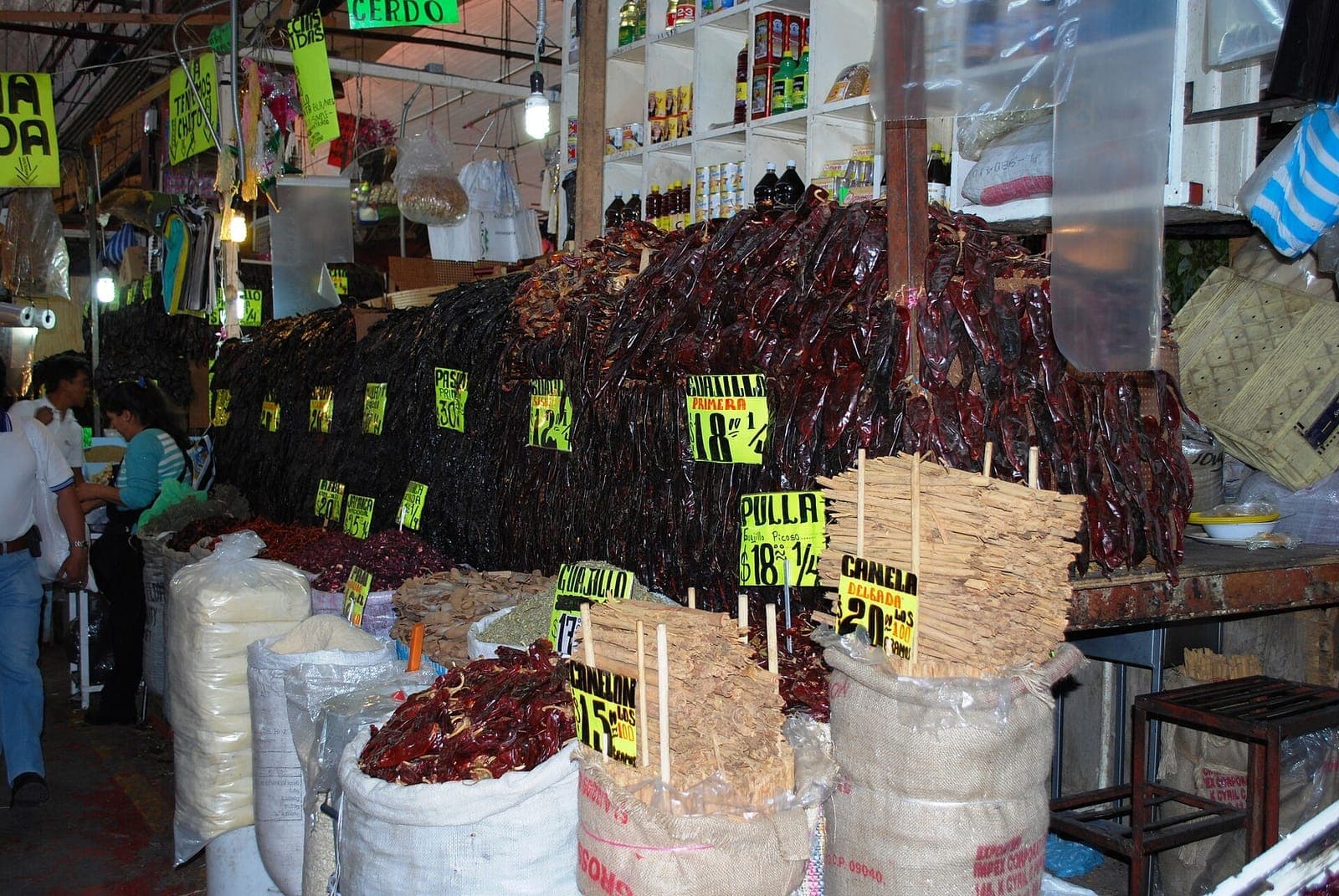 ChileFruit, smoke, heat, bitterness, and color change by variety and handling.Thelmadatter · CC BY-SA 3.0 ↗
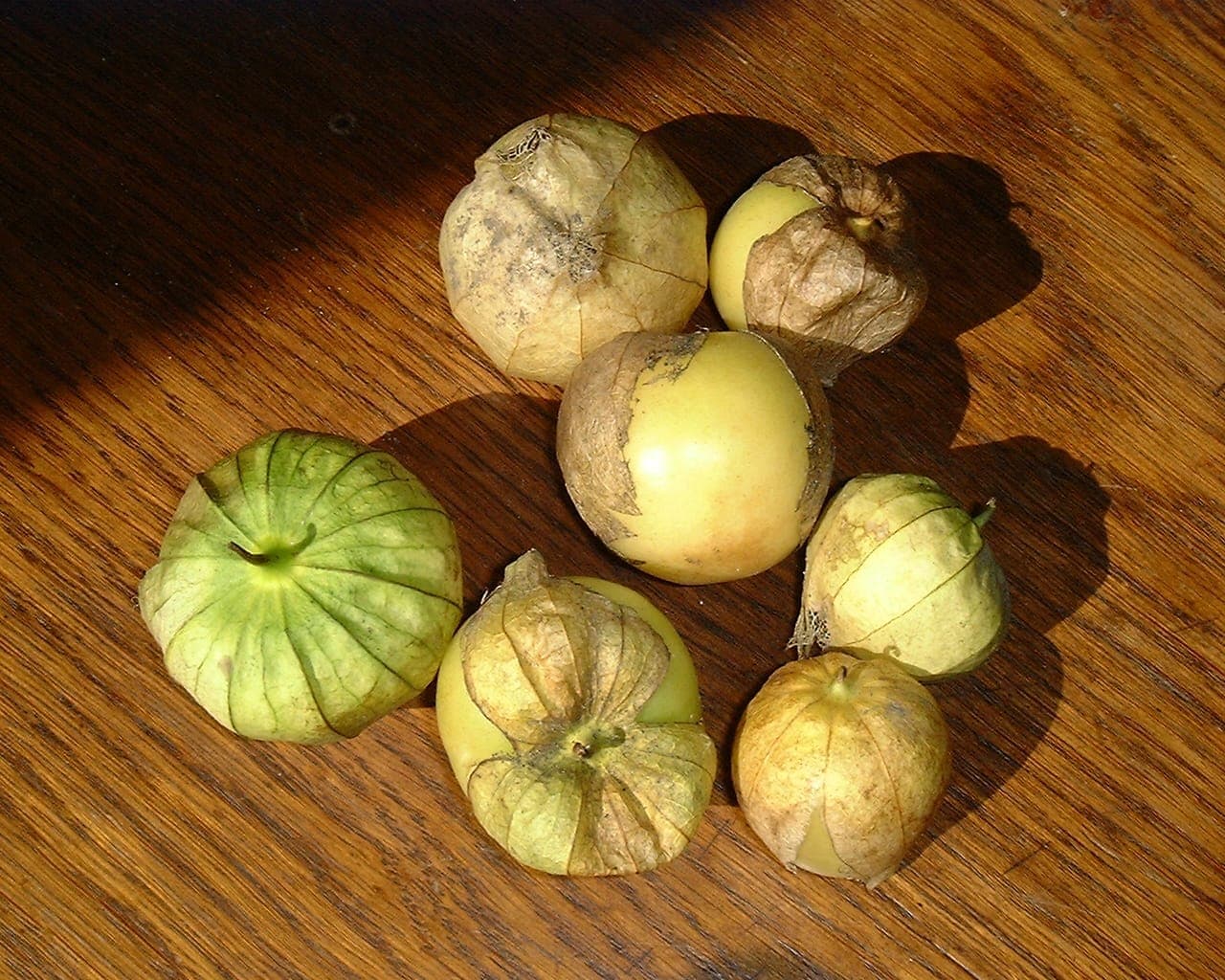 AcidLime, tomatillo, and fermented notes keep rich dishes vivid.Molekuel · Public domain ↗
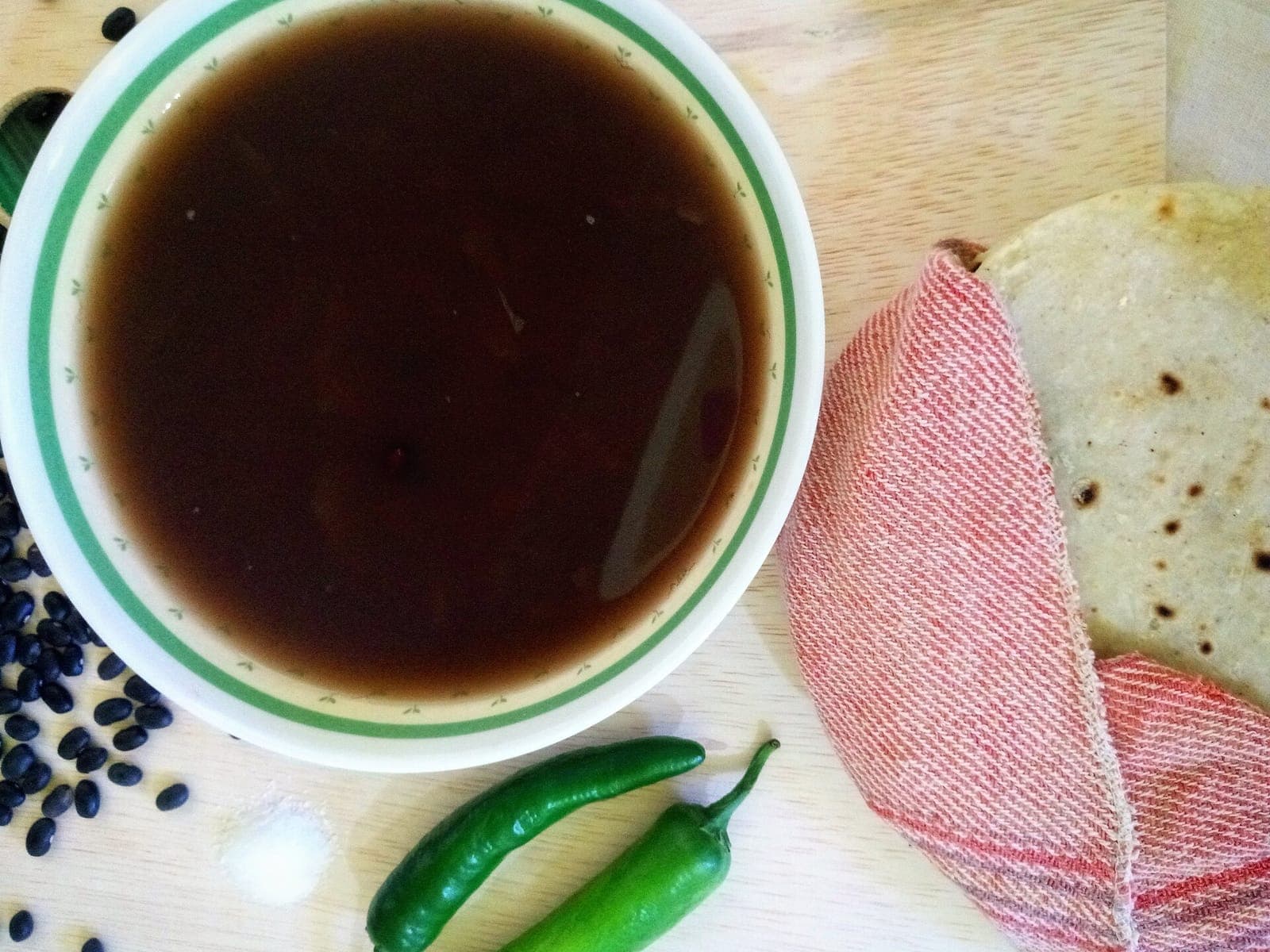 BeansCreamy, brothy, mashed, refried, or folded into other dishes.Dahyana Yasada R. R. · CC BY-SA 4.0 ↗
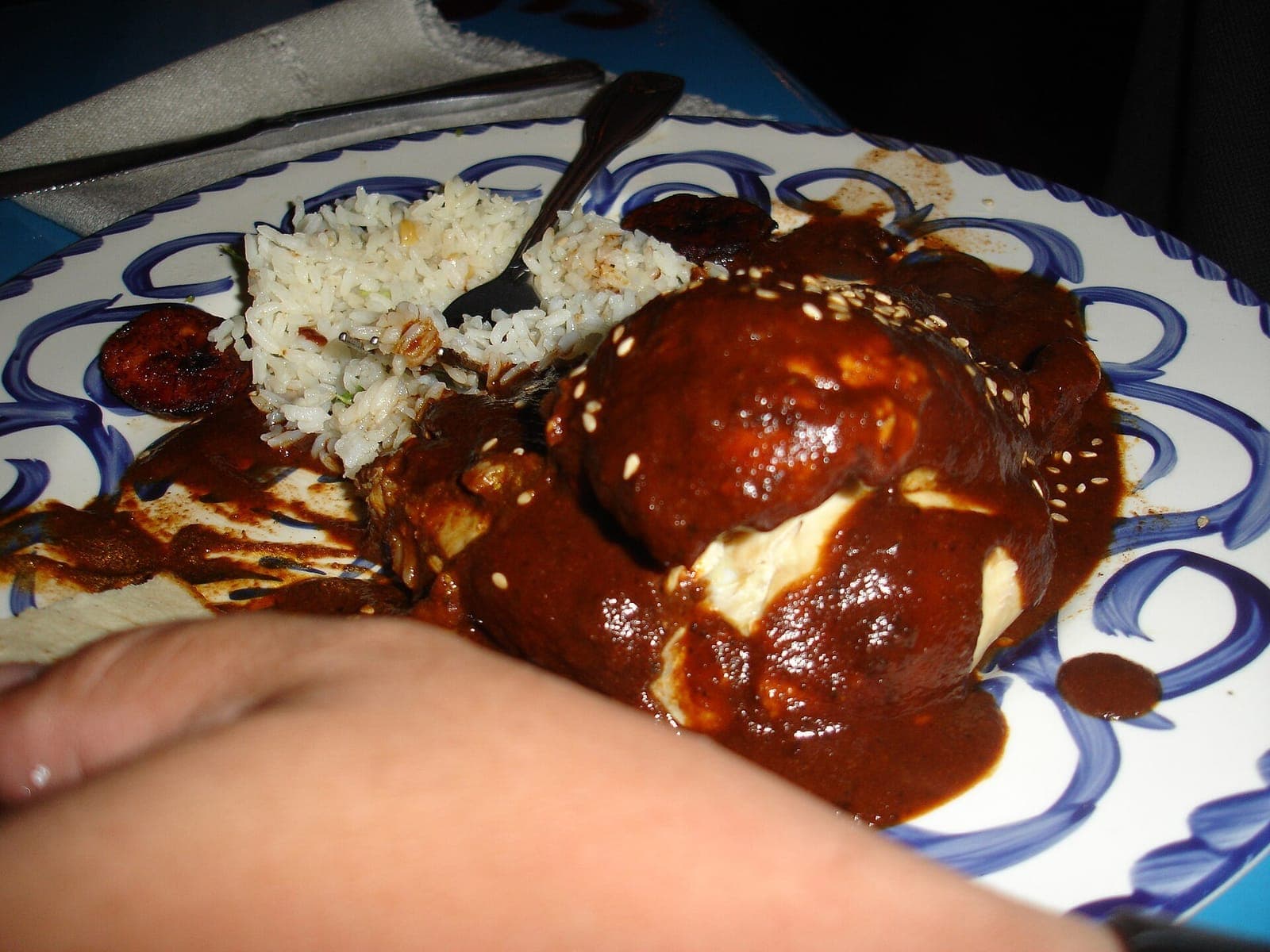 MoleA technique of layering rather than one fixed sauce.Melissa Doroquez · CC BY-SA 2.0 ↗
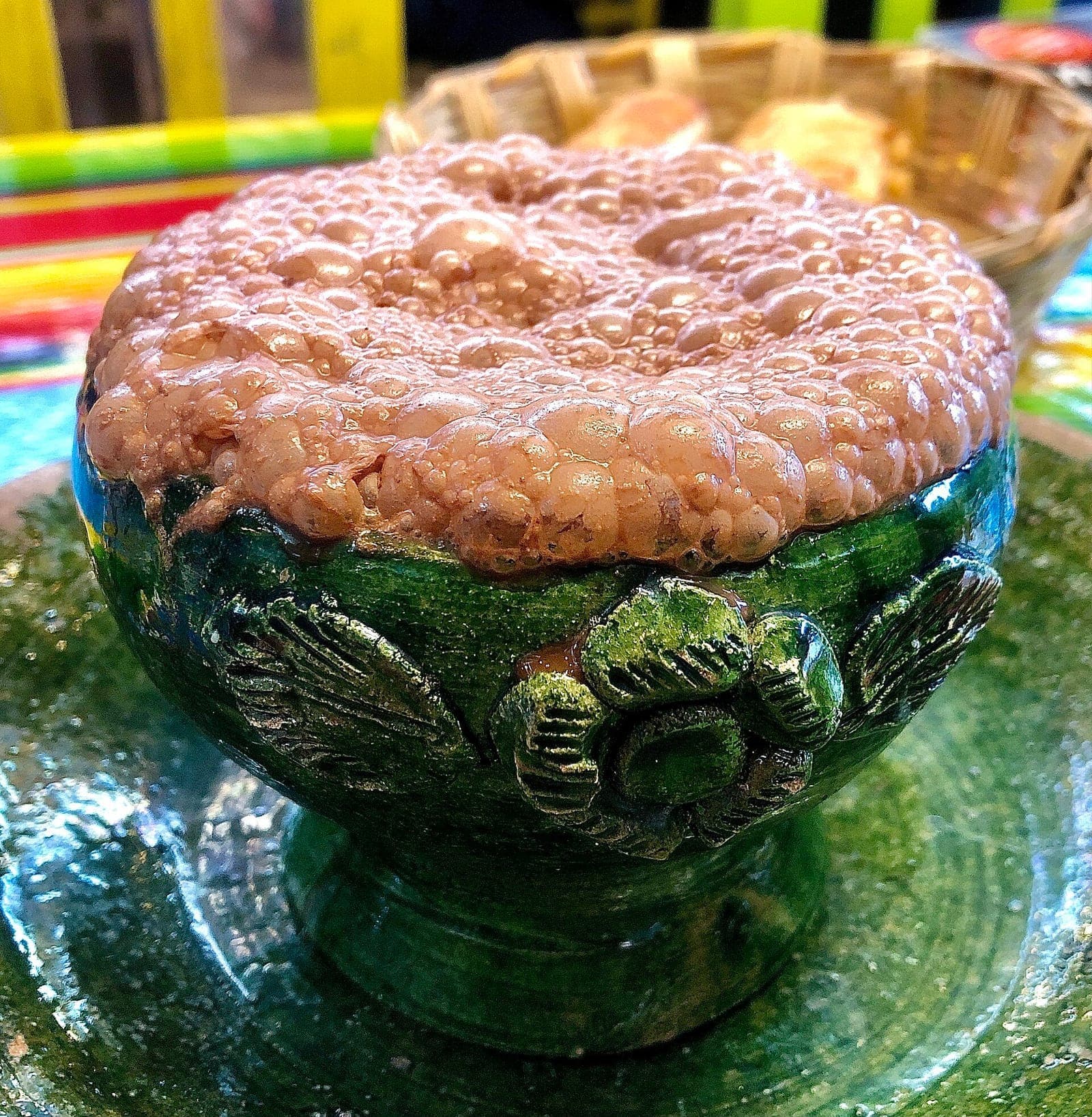
Mexican food is a living system, not a single plate.
Image sources
- A milpa field growing maize, beans, and squash in Oaxaca, Mexico. — Paul Rogé · CC BY 4.0 ↗
- Fresh tortilla masa in a market in Tepoztlán, Mexico. — Museo de Arte Popular · CC0 ↗
- A woman preparing maize while making tortillas in Yucatán, Mexico. — Alaskan Dude · CC BY 2.0 ↗
- Peppers and chiles on a market stall in Mexico City. — Xanyssel · CC BY-SA 4.0 ↗
- Mole poblano paste for sale in Puebla. — Adrián Cerón · CC BY-SA 4.0 ↗
- Native maize of many colours at a fair in Tlaxcala. — Cacu · CC BY-SA 4.0 ↗
- Dried chiles laid out on a woven mat in Oaxaca. — Juanscott · CC BY-SA 4.0 ↗
- Bags of beans for sale in Tlayacapan, Morelos.