Spanish gastronomy · A living exhibition
Spain, served in many voices.
Travel from olive groves and fishing ports to market counters and family notebooks. This is not one national menu, but a conversation between landscapes, techniques, people, and memory.
A taste of Spain
Four ways into a many-sided food culture
Move through flavor, people, exchange, and remembrance.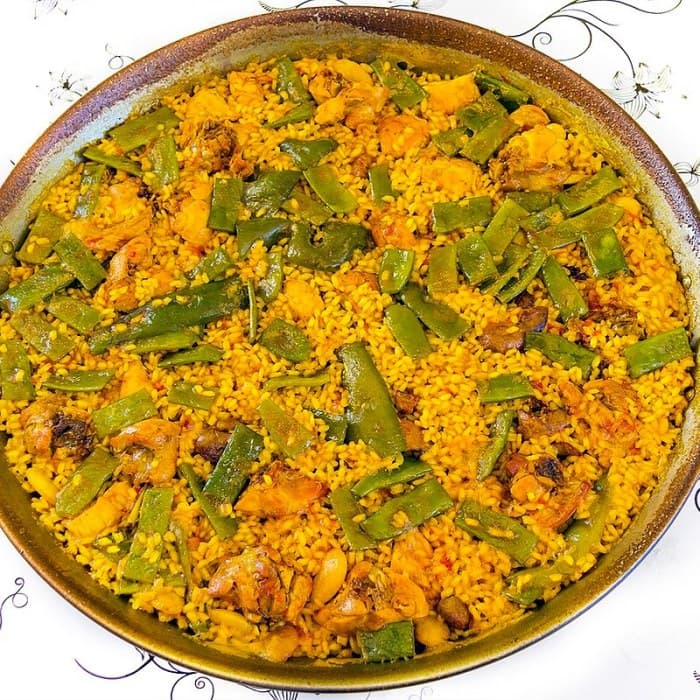
Landscape is an ingredient
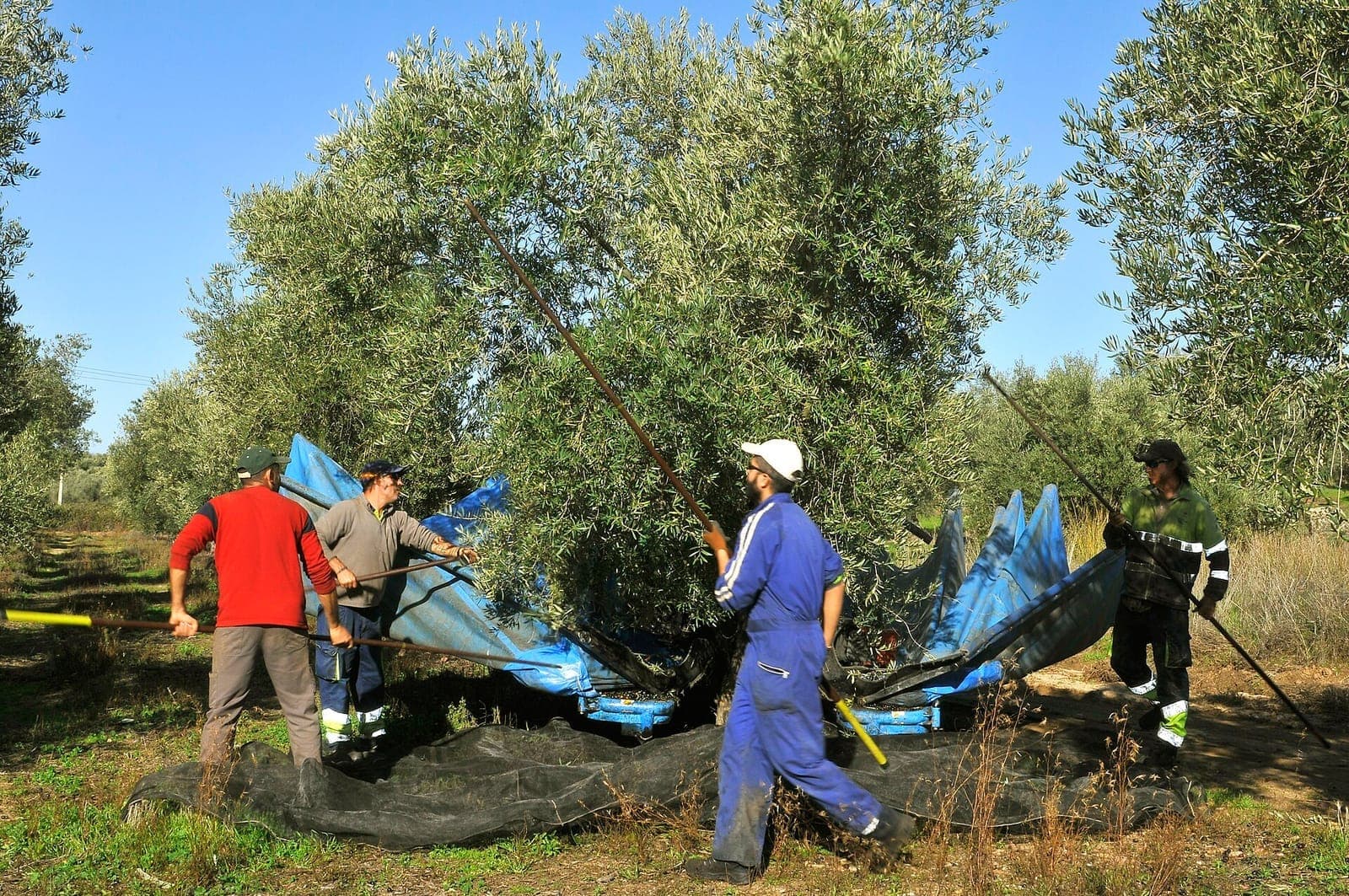
The pantry begins outdoors.
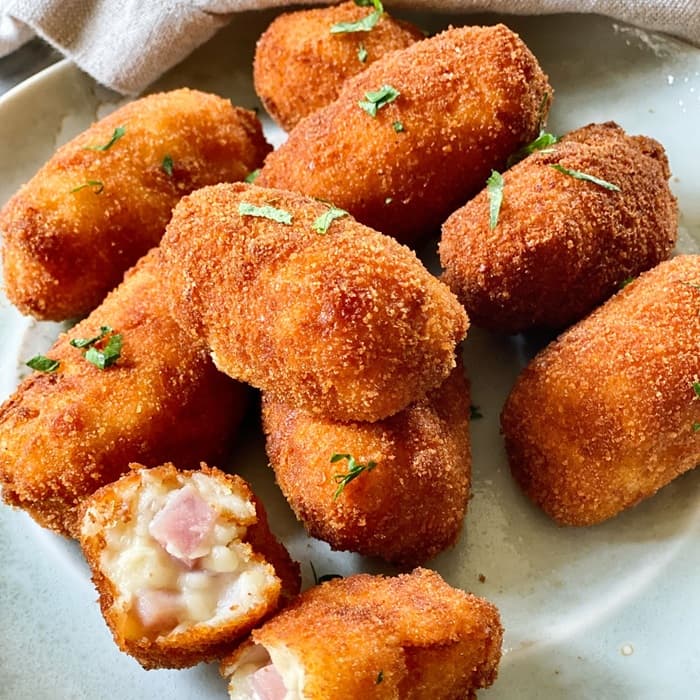
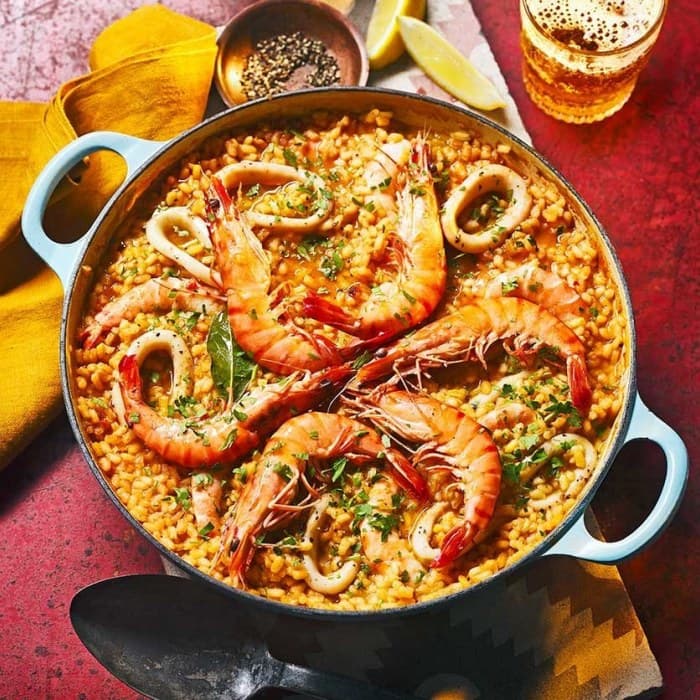
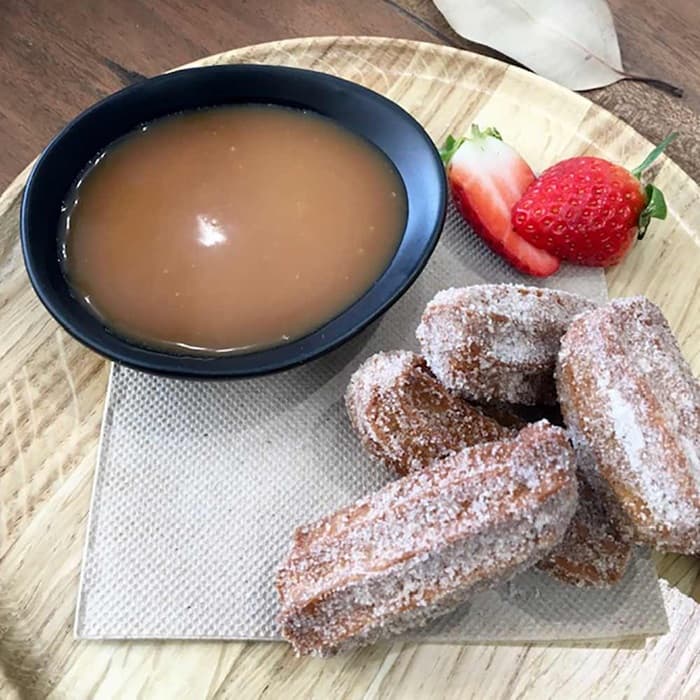
Rice wetlands, dry inland fields, olive groves, mountain pastures, islands, and fishing ports create distinct local logics. Geography is not decoration around the recipe—it helps explain why the recipe exists.
Kitchen essentials
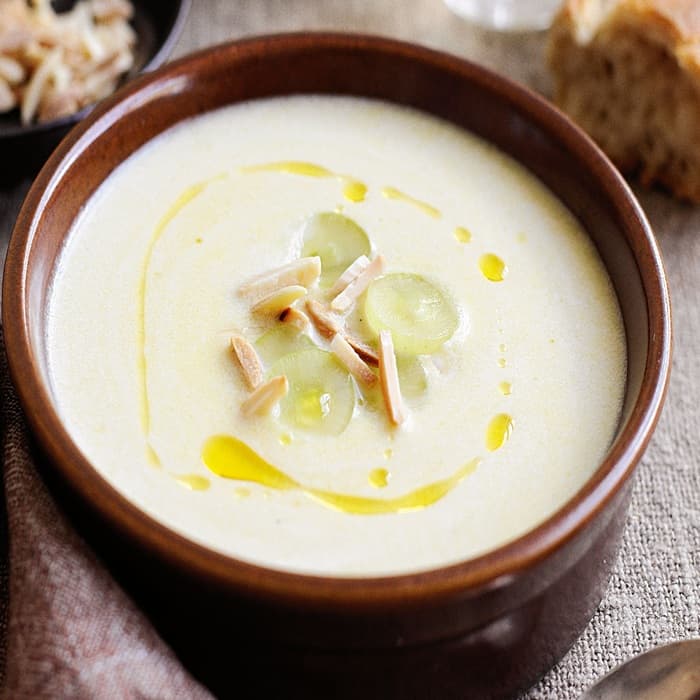
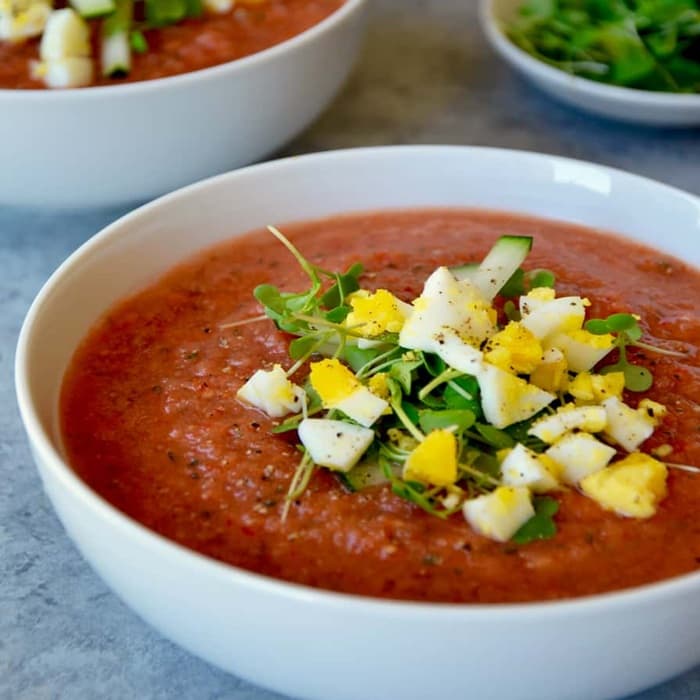
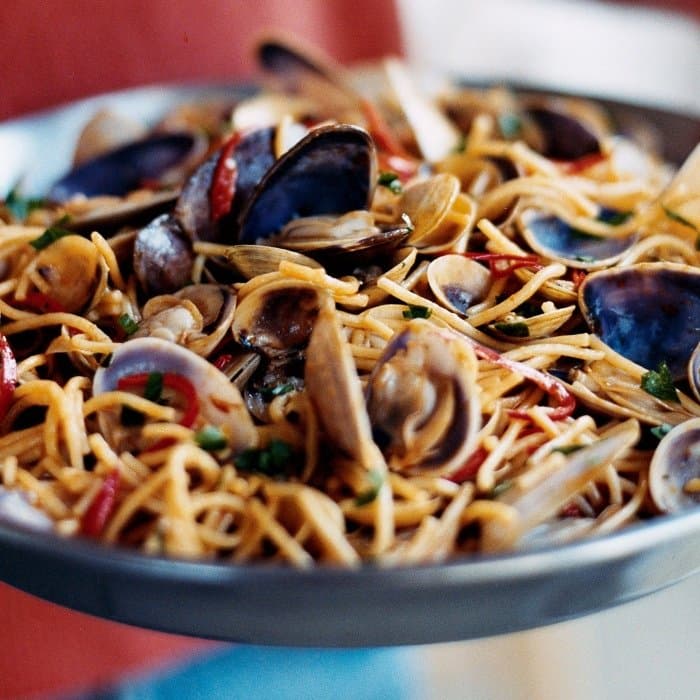
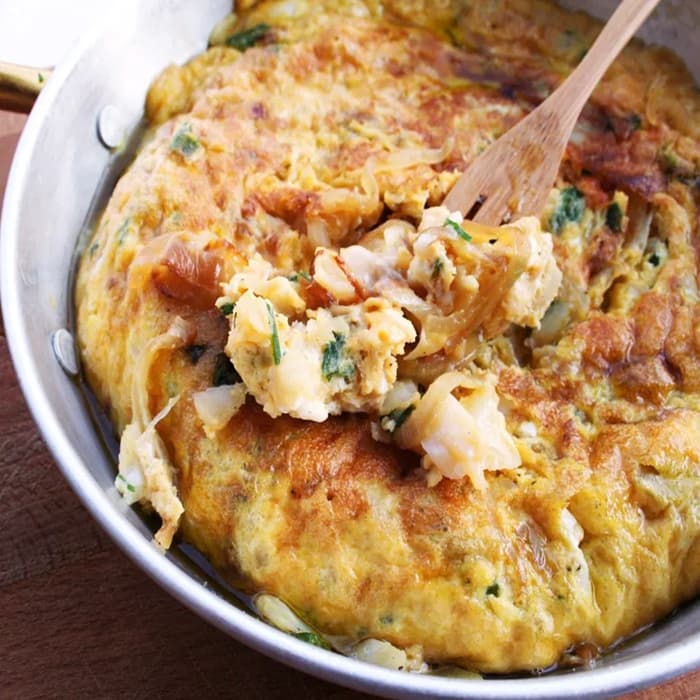
Can you read a dish from its ingredients?
Guardians of everyday knowledge
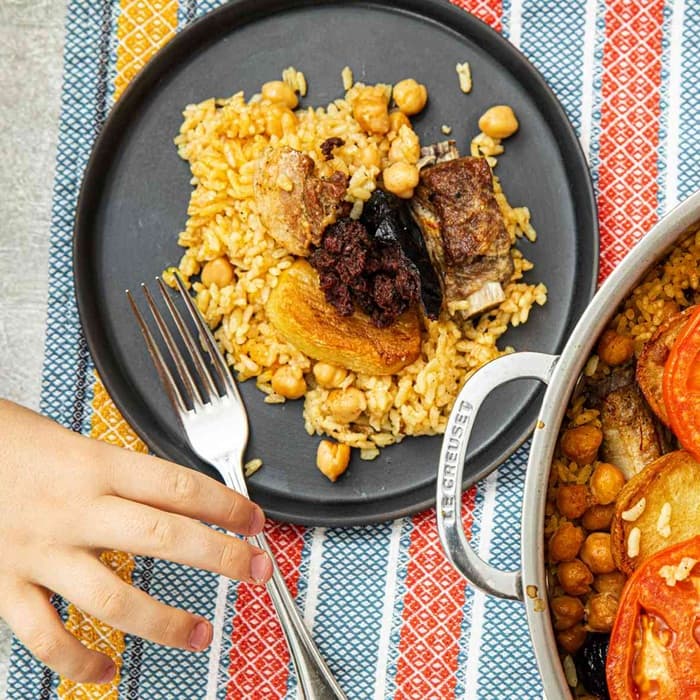
A cuisine survives because people keep practicing it.
Farmers judge a harvest, fishers read weather, vendors know what is best today, and home cooks notice when a texture is right. Restaurants matter, but food culture also lives in ordinary work repeated with care.

The joy of a handmade cookbook
Recipes become personal in the margins.
A handwritten book records more than quantities. Substitutions, stains, crossed-out timings, and a relative's shorthand show how a dish was actually lived.
para recordar“A little less water next time. Let the pan rest before everyone arrives.”— an imagined kitchen margin, used here as an editorial device
Every recipe has a history
Ingredients carry time as well as flavor.
Three routes through the published Savora archive.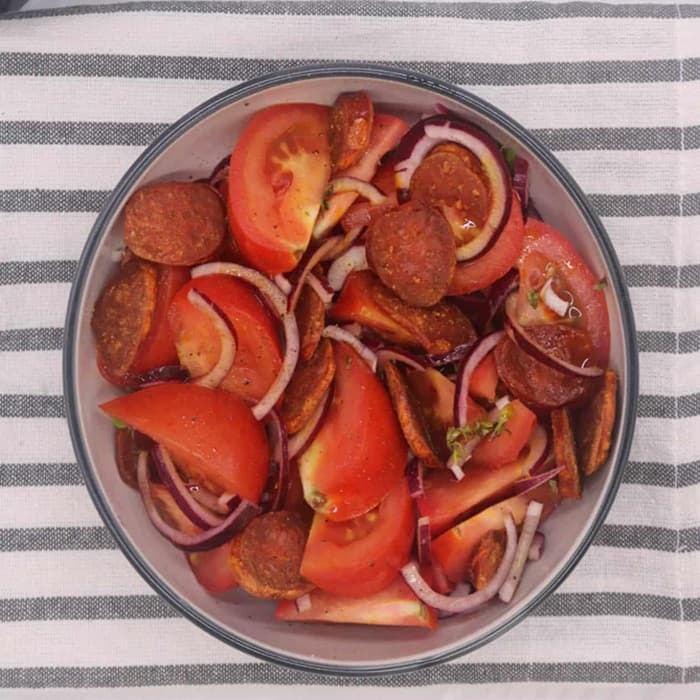
Vegetables
The garden sets the season
Peppers, tomatoes, beans, artichokes, and greens turn local calendars into everyday cooking.Open Chorizo & tomato salad →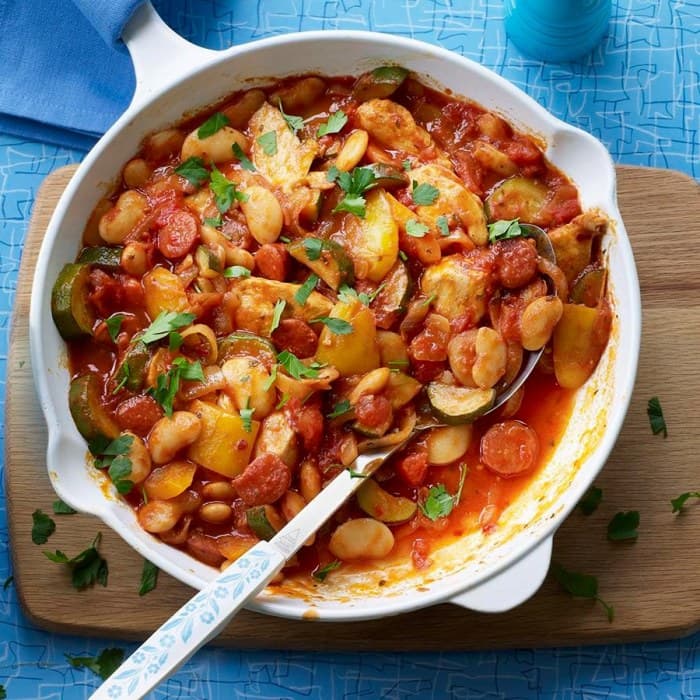
Meat & poultry
Preservation becomes character
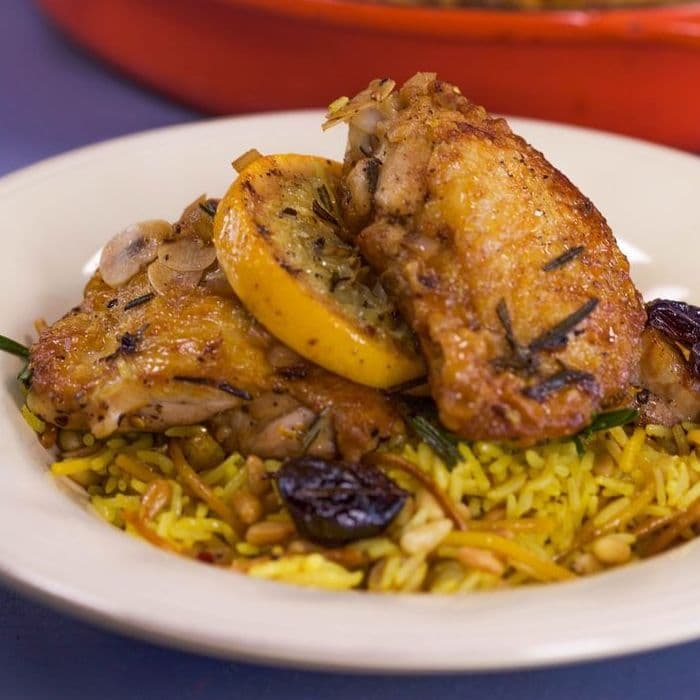
Curing, stewing, roasting, and cooking over fire carry regional knowledge into the present.Open Easy Spanish chicken →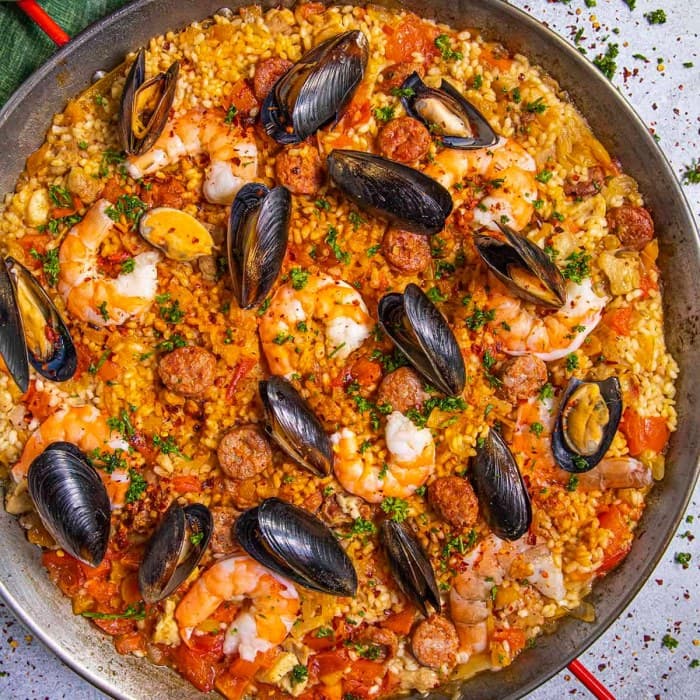
Fish & coast
The sea arrives by market
Fresh catch, salt cod, shellfish, and preserved seafood tell different coastal stories.Open Spanish seafood rice →Flavors